Things to Do in Tokyo 2026: What’s Worth Your Time, District by District
Affiliate disclosure: Some links in this article are affiliate links. If you book a tour or an experience through them, we may earn a commission at no extra cost to you. It does not change what we recommend — every place below is chosen from its own official information.
Most first visits to Tokyo fail in the same quiet way. The list is not the problem: there are more than enough things to do in Tokyo to fill a week, and every list you find will name the same famous stops. The problem is that the day runs out before the list does. Two places that look adjacent on a map sit twenty minutes apart on the train, one of them shuts at five, the one you saved for the evening closed on Mondays, and the queue you did not plan for eats the hour you needed for the garden.
This guide is built the other way round. Instead of ranking sixty attractions, it treats hours as the scarce thing and money as the second question. Every area gets the same four answers: what it is actually for, how much of your day it eats, the hours that suit it best, and the day it closes. Where a place is free, ticketed, or reservation-only, that is written plainly. Where a figure matters, it lives on the official page of the place itself, because opening times and ticket rules change with the calendar and the operator, not with us.
The authority here is not that we have walked every street. It is that every hour, closing day and reservation rule below was taken from the operator’s own page and checked by hand — temple grounds, city gardens, national museums, the zoo, the viewpoints — including the places whose calendars move month to month.
The Real Constraint in Tokyo Is Hours, Not Money
Tokyo is unusually generous with free access. The city’s own tourism site keeps an official category for free attractions, and it is not a token list: temples, shrine grounds, city gardens, a whole public park layer, the market streets around Tsukiji, and the observation floor of the Tokyo Metropolitan Government Building, which the same official page calls the best view you will get for free — an elevator ride to the forty-fifth floor of a fifty-storey tower, two hundred and two metres up, with Mount Fuji on a clear day.
What is not free, and cannot be bought back, is time. Three things quietly spend it.
The first is the distance between districts. Tokyo is a city of separate pockets, and each pocket is comfortable on foot but not adjacent to the next. Ueno’s museums sit within easy walking distance of one another, and Roppongi’s three main museums form a triangle that is walkable end to end — but between Ueno and Roppongi there is a train ride, not a stroll. A plan that ignores this turns into a plan of train stations, and the minutes add up faster than the tickets do.
The second is the operating clock, and it is far less uniform than visitors expect. The Ueno Zoo runs from half past nine to five and closes on Mondays. The National Museum of Nature and Science opens at nine and shuts at five. Meiji Jingu does neither of those things: its gates open with sunrise and close with sunset, and those times are recalculated every month. Some places, on top of that, close for blocks of days at the turn of the year while the rest of the city carries on.
The third is queue time at the handful of stops where demand is concentrated. A crossing, a shrine lane, a hilltop viewpoint and a themed museum can each absorb an hour you were saving for something else. None of that is a reason to skip them. It is a reason to give them the right hour of the day, which is the whole method of this guide.
How This Guide Decides What’s Worth It
Four measures are applied to every area and repeated in every table, so you can compare a temple against a museum against a market without translating anything.
Time cost. Each entry is filed as half an hour, two hours, or half a day. This is the honest unit in Tokyo. A shrine ground can be a half-hour stop if you are passing through and a two-hour stop if you are walking the approach and the surrounding lanes; the file tells you which one the place usually becomes.
Best hours. Morning, midday, late afternoon or evening — the window when the place works as intended. Temple approaches are cleaner and calmer early. Market streets are a breakfast-to-late-morning activity, not an afternoon one. Gardens and viewpoints reward the ends of the day. Meiji Jingu is a special case: with gates that follow sunrise and sunset, its best hours shift with the season, so the useful move is to check the month on its own opening page rather than trust a fixed time.
Closing days. This is the column that decides most itineraries and the one most lists leave out. The Tokyo National Museum closes on Mondays, opens longer on Fridays and Saturdays, and shuts for the year-end stretch from late December into January; it also warns that the opening hours for the first day of 2027 are still to be confirmed. The zoo closes on Mondays. A city garden such as Rikugien keeps a simple daily window and closes only for the New Year period. Somewhere in your plan, a Monday will fall, and this column is how you see it coming.
Walkability between stops. Areas are scored on whether their own attractions connect on foot. Ueno and Roppongi do; that is why both appear as half-day blocks rather than lists of separate visits.
Two labels run through the tables alongside those measures. Free entry, ticketed, and reservation-only are written as they are, because they behave differently: a free viewpoint asks nothing of you but your timing, a ticketed one asks you to decide in advance, and a reservation-only one asks you to plan before you leave home. The Ghibli Museum is the clearest case of the third kind — its own ticket page states that admission is by advance reservation only, with tickets released on set dates. Tokyo Skytree separates its routes the same way: the ticket page lists online reservations and online purchase options apart from buying at a convenience store.
Where a specific figure belongs to a named operator, this guide points you to the page that publishes it rather than repeating it here. Opening times, closing days and reservation rules are the currency we can hold steady; the rest belongs to the place.
Things to Do in Tokyo by Trip Length: The Two-Minute Answer
How long you have changes which Tokyo you should aim at. The same city that overwhelms a day-tripper is thin for someone with a week. Use this table to find your row, then read the district notes for the detail.
| Your trip | Districts to make your spine | What is realistic | What to leave out |
|---|---|---|---|
| Half a day | Asakusa, or Ueno if it is a Monday | One temple approach with its lanes, or one museum plus the park | Viewpoints, second districts, anything that needs a train change |
| One day | Asakusa, Ueno, Yanaka | Old Tokyo end to end, on foot and one short train hop | The west side; you will spend the day inside stations |
| Three days | One east day, one west day, one centre day | Asakusa and Ueno; Shibuya, Harajuku and Meiji Jingu; Ginza, Marunouchi and the market | Two paid viewpoints in one day; the outer districts |
| Five days | Add the market, the art hill and the local west | Tsukiji and Toyosu in the morning, Roppongi’s museum triangle, Shimokitazawa or Koenji | Still no need for a paid deck more than once |
| A second visit | Yanaka, Shimokitazawa, Koenji, Kiyosumi | The layer that needs slow hours rather than big sights | The headline stops you have already paid for |
The District Layer: What Each Area Is Actually For
Tokyo is not one city centre with satellites. It is a set of districts with different jobs, and almost every itinerary mistake comes from treating two of them as interchangeable. The table below is the spine of this guide: the rest of this piece takes each row apart. Time costs assume you start in the district rather than at an airport.
| District | What it is for | Time it eats | Best hours | Closing risk | Skip it if |
|---|---|---|---|---|---|
| Shinjuku | Free city viewpoint, huge station, evening food lanes | Half a day | Late afternoon into evening | Low from the deck; the garden keeps its own days | You want calm and a short walk |
| Shibuya | The crossing, youth shopping, one paid sky deck | Half a day | Late afternoon into evening | None published for the crossing; the paid deck books by time slot | Crowds and queueing drain you |
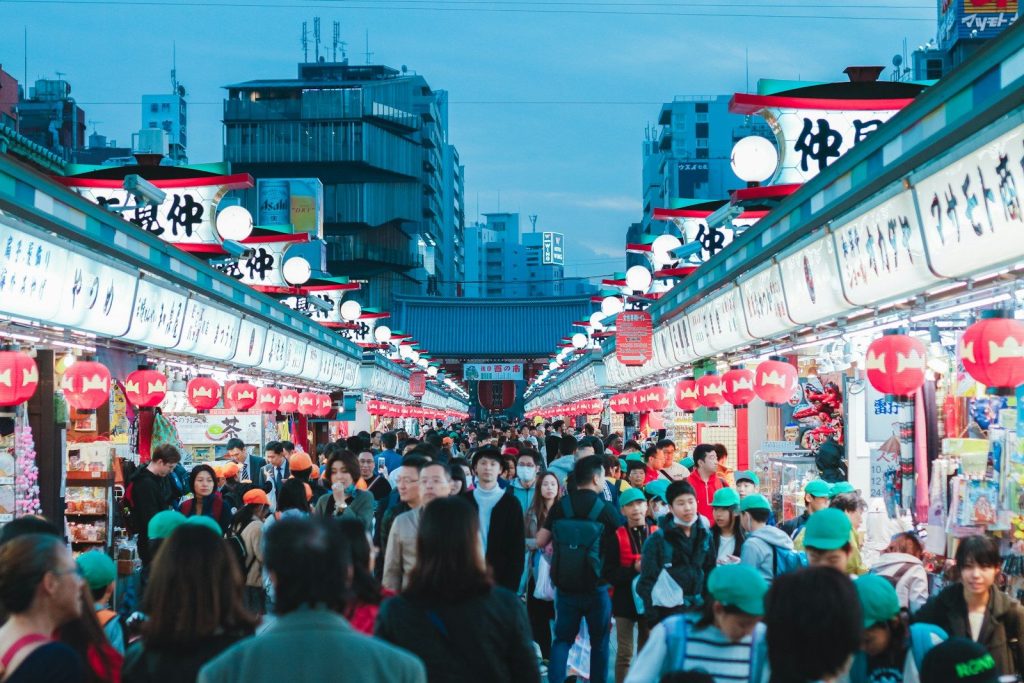
| Asakusa | Temple approach, market lane, riverside | Half a day | Early morning, then evening for the river | None published — the temple keeps its own calendar | You have already seen a major temple in Asia and want modern Tokyo |
| Ueno | Museums, park, zoo, old market edge | Half a day | From opening; morning for the zoo | Mondays — museums and the zoo stand down, plus a year-end shutdown | Art and history are not your draw |
| Ginza | Department stores, basements, galleries, evening streets | Two to four hours | Midday for shopping, evening for the streets | None published — the shopping grid keeps going | You are not shopping and you dislike main-street polish |
| Harajuku | Youth style, Meiji Jingu, Omotesando | Half a day | Morning for the shrine, midday for the streets | Meiji Jingu moves with sunrise and sunset | You dislike shopping and crowds in equal measure |
| Tsukiji | Outer market streets, early eating | Two hours, morning only | Before breakfast through late morning | None published — it is a morning window | You cannot start before mid-morning |
| Akihabara | Electronics, anime, arcades, games | Two to four hours | Midday to evening | None published — shops keep their own hours | The subculture means nothing to you |
| Roppongi | Art museums, nightlife, the art triangle | Half a day | Midday for museums, late for the hill | The museum calendar rules the hill; the open-air layer is public space | You want daylight nature rather than buildings |
| Yanaka | Old lanes, cemetery walk, small shops, cats | Half a day, on foot | Midday to late afternoon | None published — the lanes are a daytime walk | You want air conditioning and escalators |
| Odaiba | Waterfront, big indoor venues, bay views | Half a day | Afternoon into evening | None published for the waterfront; each venue runs its own | You are short on days and want classic Tokyo |
| Shimokitazawa | Vintage shops, small theatres, second-hand music | Two to four hours | Afternoon and evening | None published — shops open late and close late | You want to start your day at eight in the morning |
| Marunouchi and Nihonbashi | Station architecture, the Imperial Palace East Gardens, old shops | Two to four hours | Midday into afternoon | The gardens close on Mondays and Fridays, and from 28 December to 3 January | You want market energy rather than order |
Old Tokyo: Asakusa, Ueno and Yanaka
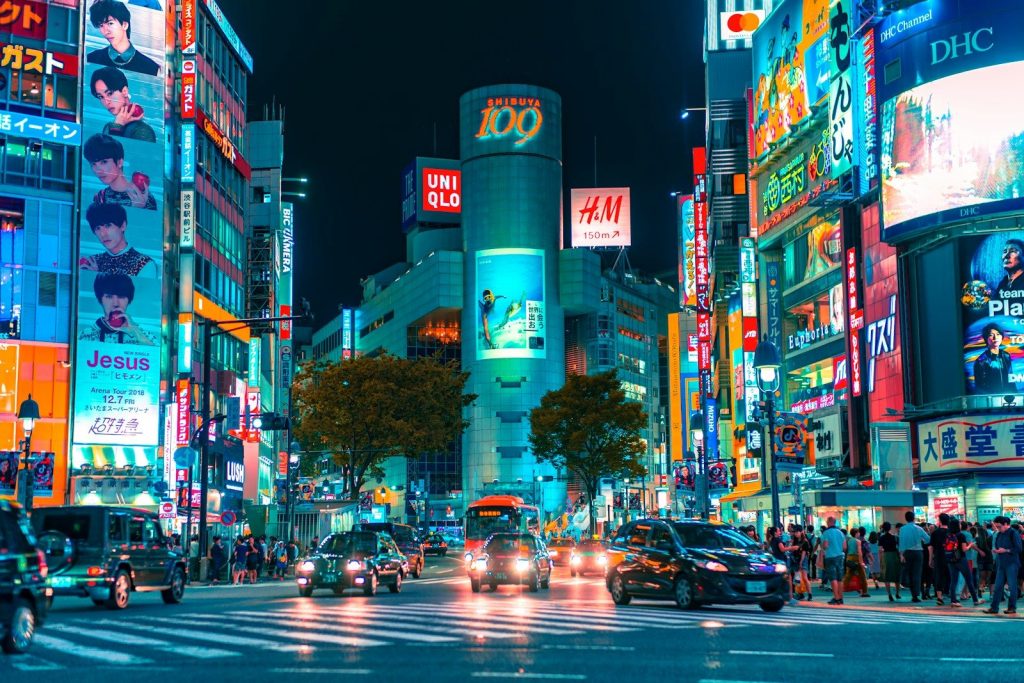
The eastern side holds the Tokyo that predates the towers, and it is the best value in the city for a first day because the three areas connect. Start in Asakusa while the approach is quiet, walk or ride two stops to Ueno for the museums or the zoo, then finish in Yanaka where the lanes are still low and the pace drops.
| Stop | Free, ticketed or reservation-only | Time | Best hours | Closing days |
|---|---|---|---|---|
| Senso-ji and Nakamise | Free | One to two hours | Before eight in the morning | None published on its site — hours follow the temple’s own calendar |
| Ueno Park | Free | One hour | Any daylight hour | Open as a public park |
| Tokyo National Museum | Ticketed | Two hours | From opening; late on Friday and Saturday | Mondays, and the year-end block from late December |
| National Museum of Nature and Science | Ticketed | Two hours | From opening | Check its published calendar |
| Ueno Zoo | Ticketed | Two to three hours | From opening | Mondays |
| Yanaka Ginza | Free | One hour | Midday into afternoon | None published — shop hours vary |
| Sumida riverside | Free | Thirty minutes | Evening | Open |
Senso-ji sets the rule for the whole area. Its official English pages carry the temple’s notices but do not publish a daily opening time, so the reliable move is to read the calendar attached to the temple rather than assume one from a list. What is predictable is the shape of the place: the approach is at its best before the shops open and the tour groups arrive, and the grounds hold up later in the day when the lanes empty out again.
Ueno is the counterweight, because it runs on the museum clock rather than the temple one. The Tokyo National Museum opens at half past nine, stays open until eight in the evening on Fridays and Saturdays and on the Sundays before a public holiday, and closes on Mondays — with the usual museum twist that on a national holiday Monday it opens and takes its day off the following day instead. It also carries a year-end closure that runs from the day after Christmas into the new year, and notes that its hours for the first day of 2027 are still to be confirmed. The zoo keeps simpler rules: half past nine to five, closed on Mondays. Both are within easy walking distance of each other and of the park, which is why Ueno works as a half-day block rather than a list of separate visits.
Yanaka finishes the day because it asks for no ticket and no slot. The lanes and the cemetery walk behind them are free, and the area rewards mid-to-late afternoon, when the low light reaches the small shopfronts. It is also the one part of this area that has nothing to reserve and nothing to queue for, which makes it the right place to end a morning that started with an approach full of people.
The Center: Ginza, Marunouchi and Nihonbashi
The centre is the orderly Tokyo: wide streets, department stores with serious food halls, station architecture, and old merchant districts that now sit beside glass towers. It is the easiest area to move through and the one where a plan of exact stops matters least.
| Stop | Free, ticketed or reservation-only | Time | Best hours | Closing days |
|---|---|---|---|---|
| Ginza shopping streets | Free to walk | Two to three hours | Midday for shops, evening for the streets | None published — the grid keeps going |
| Department store food halls | Free to enter | One hour | Late morning to early evening | Follow each store’s own calendar |
| Marunouchi and Tokyo Station | Free to walk | One to two hours | Midday into afternoon | Open |
| Nihonbashi | Free to walk | One to two hours | Midday into afternoon | Open |
| Imperial Palace East Gardens | Free to enter | One to two hours | Morning into afternoon | Mondays and Fridays; 28 December to 3 January |
Ginza is a shopping district first, but its food halls are the reason to come even if you are not buying. They open in the late morning and stay open through the early evening, and they behave like a market without the early start. The streets themselves are a different experience after dark, when the department stores shut and the smaller places take over.
Marunouchi and Nihonbashi are worth an hour for the architecture alone: the station’s older side, the long approach, and the bridges and old shops that survived the rebuilding. Both are free to walk and have no closing problem. The one entry here that behaves like an Ueno museum is the Imperial Palace East Gardens, which are free to enter and keep their own days: closed every Monday and Friday, closed from 28 December to 3 January, and when a national holiday falls on a Monday the closure moves to the Tuesday instead. The hours matter as much as the days. From the start of November to the end of February the garden runs from nine in the morning to four in the afternoon, with entry stopping half an hour before the gate closes, so it belongs in a morning plan rather than an afternoon one. That combination is exactly why this guide carries a closing-day column at all: in Tokyo, the free and the ticketed differ less than the open and the shut.
Shinjuku: The Layer Most First-Timers Get Wrong
Shinjuku is where the free-versus-ticketed split becomes a decision rather than a label. The district holds two kinds of viewpoint, a garden with its own schedule, and the small evening lanes that are the best food hour in the city — and they do not all want the same time of day.
| Stop | Free, ticketed or reservation-only | Time | Best hours | Closing days |
|---|---|---|---|---|
| Metropolitan Government Building deck | Free, no ticket | One hour | Clear late afternoon | Open as a public building floor |
| Shinjuku Gyoen | Ticketed | Two hours | Morning into early afternoon | The garden keeps its own days apart from the deck |
| Omoide Yokocho and Golden Gai | Free to walk | One to two hours | From early evening | None published — lanes fill after work |
| Kabukicho and the east side | Free to walk | One to two hours | Evening | Open |
The free deck is the one the city’s own tourism page singles out: the Metropolitan Government Building’s number one tower is the tallest thing in the neighbourhood at forty-eight storeys, and an elevator takes you to the observation floor on the forty-fifth, two hundred and two metres up, where the page promises the best view you will get for free and Mount Fuji on a clear day. That makes it the natural counterpart to the paid decks in the west, and it costs nothing but timing: go when the sky is clean, not when your schedule is.
The garden is a different animal. It is ticketed, it is a walking garden rather than an attraction, and it keeps days of its own that do not follow the building’s. Treat it as a morning or early afternoon block, not an evening one, and check its schedule separately from everything else in the district.
The evening belongs to the lanes. Omoide Yokocho and Golden Gai are not all-day places: they are at their best once the offices empty, and they are about sitting down for an hour rather than sightseeing. If you arrive at two in the afternoon wondering what the fuss is about, the answer is that you are four hours early.
Shibuya and Harajuku: Crossings, Views and the Queue Problem
The west side concentrates the two things that most reliably eat time: a crossing that everyone photographs, and viewpoints that either take a booking or take a queue. Handled in the right order, it is the strongest half-day in Tokyo. Handled in the wrong order, it is two hours of standing still.
| Stop | Free, ticketed or reservation-only | Time | Best hours | Closing days |
|---|---|---|---|---|
| Shibuya Crossing | Free | Thirty minutes | Late afternoon and after dark | Never closes |
| Shibuya’s sky deck | Timed entry | One hour | Sunset slot; open 10:00 to 22:30 with last admission at 21:20 | New Year’s Day, and the rooftop can close in high wind or bad weather |
| Harajuku and Cat Street | Free to walk | Two hours | Midday into afternoon | None published — shops vary |
| Omotesando | Free to walk | One hour | Midday | None published — shops vary |
| Meiji Jingu | Free to enter the grounds | One to two hours | Early, and according to the month | The gates move with sunrise and sunset |
The crossing needs no plan and no ticket, which is exactly why it absorbs more time than people budget. It is also a landmark that works at any hour and is genuinely better after dark, so if you only have one evening in the west, this is where to spend it.
The deck above it is the opposite: a timed, ticketed visit, and the sort of place where the slot you want is booked before you land. It is worth treating as a reservation decision rather than a spontaneous stop, and the published hours are the reason. The deck opens at ten in the morning and closes at half past ten at night, admitting its last guests at twenty past nine, and it shuts on New Year’s Day; the rooftop can also close in high winds or bad weather. The operator adds a detail that settles the booking question: once adult tickets sell out online, they are not available at the counter either, which makes the sunset slot a decision to take before the day rather than during it.
Harajuku and Omotesando are a walking block, not a shopping list: two hours of side streets and back lanes that are best at midday, when the small shops are open and the area is at its busiest in the way that suits it. Cat Street is the spine of that walk.
Meiji Jingu is the one stop here that refuses a fixed hour. Its grounds are free to enter, and its gates open with sunrise and close with sunset, with the times recalculated every month on its own opening page. In practice that makes it a morning stop in winter and a late-afternoon stop in summer — and it makes the opening page the only source worth trusting for the hour you should arrive.
The Viewpoints: Free Decks, Ticketed Decks and How to Choose
Viewpoints are where Tokyo lists usually go wrong, because they mix a free public floor with a paid tower as if they were the same experience. They are not. The free ones ask for timing; the paid ones ask for a decision. Below are the six we could give a sourced answer for.
| Viewpoint | What you see | Reservation needed | Time it eats | Skip it if |
|---|---|---|---|---|
| Metropolitan Government Building, Shinjuku | The west skyline, and Mount Fuji on a clear day, from two hundred and two metres | None — it is a public building floor | One hour | You want a view with a drink in your hand |
| Tokyo Skytree, Sumida | The whole city from the tallest point, over the old east side | Buy ahead through the online routes or at the counter | Up to two hours with the queue | You dislike heights or crowds |
| Sunshine 60 Observatory, Ikebukuro | A mid-height view over the north and west, indoors, open 11:00 to 21:00 with last admission at 20:30 | Ticketed | One hour | You want the tallest view or the crossing below you rather than a mid-height one |
| Tokyo City View, Roppongi Hills | The centre and the bay from a tower shared with an art museum | Ticketed; check the museum’s calendar | One to two hours | You are already doing a free deck |
| Tokyo Tower, Shiba | The old tower’s frame over the central districts | Ticketed; hours on its own page | One to two hours | You want the newest, highest view |
| Shibuya’s sky deck | The crossing and the west side from above, at sunset | Timed entry; open 10:00 to 22:30, last admission at 21:20 | One hour | You cannot commit to a time slot |
Two patterns are worth carrying away. First, the free decks are genuinely free and genuinely good — the Metropolitan Government Building’s floor is the one the city’s tourism page calls the best free view, and it needs no ticket at all. Second, the paid decks are where the queue problem lives, and their own pages show it: Skytree’s ticket page separates online reservations and online purchase from buying at a convenience store, and the operator has announced a group reservation service, which tells you that planning ahead is the normal route rather than the premium one. Shibuya’s deck is the same story with a sunset attached: it publishes its hours, admits its last guests well into the evening and closes on New Year’s Day, and its operator notes that once adult tickets sell out online they are no longer available at the counter — the clearest signal in the city that the hour you want gets chosen before the day.
That gives a simple rule. If you have one clear evening and you want a view, take the free deck and spend the evening’s budget of time on the food lanes below it. If you want the height and the crowds are part of the experience for you, book the paid one for the hour before sunset and treat it as the day’s main event rather than one stop among five.
Museums and the Indoor Layer for Rain and Heat
Rain and summer heat are the two conditions that change a Tokyo plan most, and they have the same answer: move indoors, and move early. The city’s museum layer is deep enough to absorb a wet day, and several of the venues below also solve the heat problem because they are climate-controlled and sit directly on station exits.
| Place | Indoors or outdoors | Closing days | Reservation | Time it eats |
|---|---|---|---|---|
| Tokyo National Museum, Ueno | Indoors | Mondays, plus the year-end block | None needed | Two hours |
| National Museum of Nature and Science, Ueno | Indoors | Check its published calendar | None needed | Two hours |
| Ghibli Museum, Mitaka | Indoors | Check the museum’s calendar | Advance reservation only | Two to three hours |
| teamLab Planets and teamLab Borderless | Indoors, barefoot in parts | Check the venue’s calendar | Reserved entry times | Two hours |
| Department store food halls, Ginza and Nihonbashi | Indoors | Follow each store’s calendar | None | One hour |
| Ueno Zoo | Mostly outdoors | Mondays | None needed | Two to three hours |
| Sunshine 60 Observatory, Ikebukuro | Indoors | Check the venue’s calendar | Ticketed | One hour |
Three of these belong in almost every wet-day plan. The Tokyo National Museum is the default: two hours of indoor galleries, a published timetable that runs from half past nine to five, later on Fridays and Saturdays, and a Monday closure you can plan around. The Ghibli Museum is the one that has to be decided before you travel — admission is by advance reservation only, with tickets released on set dates, so it is not a rainy-day fallback but a fixed point in the trip. The digital art venues are the third kind: indoor, timed, and busy enough that reserved entry times are the norm rather than an option.
For heat, the same venues work, with one adjustment. Outdoor layers — the park, the zoo, the temple approaches and the gardens — belong to the morning, and the middle of the day belongs to food halls, museums and anything with a station underneath it. The observatory at Ikebukuro is a good example of a heat-day stop that is also a view: it opens late in the morning and admits its last guests at half past eight in the evening, so the shaded middle of the day and the cooler end of it are both inside its window.
Food as an Activity: Markets, Yokocho and What to Book Ahead
Eating is the cheapest of Tokyo’s big experiences and the one where the clock matters most. Almost everything worth doing here is a morning activity, and the single most common mistake is arriving at a market at lunchtime.
| Stop | Free, ticketed or reservation-only | Time | Best hours | Closing days |
|---|---|---|---|---|
| Tsukiji Outer Market | Free to walk | Two hours | Before breakfast through late morning | None published — it is a morning window |
| Toyosu Market | Free; the auction deck needs a prior application and places are drawn by lottery | One hour | Very early morning | Check the market’s own calendar |
| Department store food halls | Free to enter | One hour | Late morning to early evening | Follow each store’s calendar |
| Ramen and izakaya lanes | Free to walk | One to two hours | Evening | None published — lanes fill after work |
Tsukiji is the clearest case. The wholesale market that made the district famous has moved on — the fish auctions now happen in another part of the city — but the outer market’s streets stayed, and they are the part you walk. Everything here runs on an early clock: the stalls are at their best before breakfast and thin out as the morning goes on. If you have one morning to give to food, this is the one.
Toyosu is where the auction went, and its viewing gallery is the reason to make the trip — with one condition that decides the whole plan. The auction deck is not a walk-up: viewing the floor from it needs a prior application, and the market states that places are not first come, first served but drawn by lottery from the applications received inside the period. Visitors who are not drawn still have an option, because the market keeps a second-floor observer walkway open for exactly that case. Either way the auction is an early-morning event, which makes the trip a deliberate choice rather than a stop you fold into a day: either you get up for it or you leave it.
The food halls under the big stores are the afternoon answer. They open late in the morning and stay open into the evening, they need no reservation, and they are the best indoor substitute when the weather turns. For the evening, the lanes around any major station do the job, and no plan is required.
One thing here does need planning: guided food experiences and private tours fill their places in advance, and eating your way through a district with someone who knows it is the kind of day that gets booked rather than improvised. The same is true of leaving the city for the day — a guided trip out to the mountains and the lakes is the classic example of something that sells out, and it is the one experience here that we suggest deciding before you arrive.
Akihabara, Nakano and the Subculture Layer
Akihabara is the district visitors most often get wrong in both directions: people who care about it underestimate how much time it takes, and people who do not care write it off entirely. The useful split is three-way.
Shopping is the first layer: electronics, parts, cameras, and the multi-floor stores that stock everything from components to housewares. That is a two-hour activity for anyone with an interest and half an hour for anyone without. Arcades and games are the second: they are open all day and into the evening, they need nothing booked, and they are the part that works for a mixed group. The third layer is the dedicated subculture world — the floors of character goods and the shops aimed squarely at collectors — which is absorbing if it is your thing and completely opaque if it is not.
The honest advice is to decide which of the three you are there for before you arrive, because the district rewards focus and punishes drifting. If anime and games leave you cold, Nakano’s covered shopping streets are a gentler version of the same thing, with second-hand shops and a lower-key crowd, and they take an hour rather than a day.
The West Side: Shimokitazawa, Nakameguro, Koenji and Daikanyama
The western neighbourhoods are the layer that makes a second visit worthwhile, and they share one trait that decides how to use them: they are late-starting. Vintage shops, small theatres, second-hand record stores and independent coffee places open slowly and stay open into the evening, which makes the whole area a poor choice for a morning and a strong choice for an afternoon that turns into a night.
Shimokitazawa is the centre of it: a dense grid of small shops and live venues that is at its best from early afternoon onwards. Koenji is the rougher, cheaper cousin with a strong second-hand and music character. Nakameguro is the canal-side version, better in the late afternoon when the light is low and the restaurants open. Daikanyama is the quiet, ordered end of the same spectrum — fewer shops, more space, and a good place to slow down rather than hunt.
What these four have in common is that none of them needs a ticket, a slot or a plan. The only planning involved is the negative kind: do not put them in the morning, and do not try to pair two of them with a full sightseeing day.
Roppongi, Akasaka and Aoyama: Art and Quiet Blocks
Roppongi has a reputation built on its nightlife, but its daylight identity is art. The district’s museums sit within walking distance of one another — the city’s own tourism pages describe an art triangle of three major museums grouped on the hill — and that walkability is what makes it worth half a day rather than a single stop.
The practical shape of it is a museum block in the middle of the day, when the exhibitions are open and the hill is manageable, followed by the district’s evening face if you want one. The tower that holds the observation deck also holds one of the art museums, which is why the two decisions interact: a ticketed deck and a museum visit can be part of the same building and the same afternoon, and the museum’s calendar, rather than the deck’s, is the thing that shifts.
Akasaka and Aoyama are the quiet blocks either side of it. Neither is a destination in the usual sense — they are the parts of the centre where the streets widen, the shops get smaller and the pace drops, and they work as a decompression hour between two busier areas rather than as stops you cross the city for.
Things to Do in Tokyo With Kids: What Actually Holds Up
Family days in Tokyo succeed or fail on the same variable as everything else: hours. Small children are a morning audience, and most of the attractions that suit them open between nine and ten, which makes an early start the single best thing you can do.
| Stop | Free, ticketed or reservation-only | Time it eats | Best hours | Closing days |
|---|---|---|---|---|
| Ueno Zoo | Ticketed | Two to three hours | From opening | Mondays |
| National Museum of Nature and Science | Ticketed | Two hours | From opening | Check its published calendar |
| Ghibli Museum | Reservation-only | Two to three hours | Your booked slot | Check the museum’s calendar |
| Digital art venues | Timed tickets | Two hours | Any booked slot; earlier is calmer | Check the venue’s calendar |
| Ueno Park | Free | One hour | Morning | Open |
| Department store food halls | Free to enter | One hour | Late morning | Follow each store’s calendar |
The zoo is the anchor for most families: it opens at half past nine, closes at five, and shuts on Mondays, so it fits the morning perfectly and fails the Monday plan completely. The nature and science museum next door takes the afternoon slot with a nine-to-five day, and it has the advantage of being indoors when the weather is against you.
The digital art venues are the ones that older children respond to and the ones that need booking earliest, because entry is by timed ticket rather than by queue. The Ghibli Museum is the same logic with a longer lead time: reservation-only, with tickets released on set dates, so it belongs in the trip’s fixed points rather than in the flexible ones.
For toddlers and very young children, the honest advice is to lower the ambition. One indoor venue in the morning, one park or zoo hour, and a food hall for the midday break will hold up better than three ticketed stops, and the free layers — the park, the temple grounds, the market streets — cost you nothing when a nap ends the plan early.
Half-Day and Full-Day Chains That Hold Together
Individually good stops still make a bad day if the order is wrong. What follows are six sequences that survive their own opening times: each one is built so that the thing that closes earliest comes first and the thing that stays open latest comes last. Distances are given as the way you actually move rather than as straight-line numbers, because in Tokyo the move is the deciding cost.
| Chain | Distance and how you move | Total time | Best start hour | Why it does not unravel |
|---|---|---|---|---|
| Asakusa to Ueno to Yanaka | On foot for the approach and the lanes, one short train hop between the districts | Most of a day | Seven to eight in the morning | The temple approach is best before the shops open, the museums fill the middle of the day, and the lanes need no ticket at the end |
| Meiji Jingu to Harajuku to Omotesando | All on foot | Half a day | Mid-morning | The shrine is a morning stop, the streets are a midday stop, and the walk downhill keeps the order natural |
| Tsukiji to Toyosu to Odaiba | Two short train rides along the bay side | Half a day | Before eight in the morning | The market streets are a morning-only window, the auction gallery is early, and the waterfront is at its best later |
| Ginza to Marunouchi to Nihonbashi | Almost entirely on foot | A third of a day | Midday | Nothing here closes early, so the three areas can be taken in any order and still work |
| Shinjuku garden to Shinjuku lanes | On foot, with a break in the middle | Half a day, split | Morning, then evening | The garden wants daylight and the lanes want darkness, so the day is deliberately broken rather than continuous |
| Akihabara to Ueno | On foot or two stops | Half a day | Early afternoon | Akihabara stays open late, so it tolerates a late start, while Ueno’s museums set the closing time that ends the chain |
The first chain is the strongest test of the method. Asakusa, Ueno and Yanaka are close on a map but they do not run on the same clock: the temple approach belongs to the early morning, the museums and the zoo run on the nine-to-five museum day, and Yanaka’s lanes have no clock at all. Put them in that order and the day fits. Put Ueno first and you arrive at the temple with the crowds, then finish the day in a museum corridor at closing time.
The bay chain has the opposite logic: it only works if you are willing to start early. The outer market is a morning window, the auction gallery is an early-morning event, and the waterfront rewards the afternoon and evening. Start it at eleven and the chain collapses into a shopping trip.
Two chains are deliberately split. Shinjuku’s garden and its evening lanes are separated by hours, so the honest way to use them is as a morning block and a late block with the middle of the day spent elsewhere. Ginza, Marunouchi and Nihonbashi are the reverse: nothing in them closes early, which makes them the safest chain to keep in reserve for the day a museum turns out to be shut.
What We’d Skip, and Why
A guide that only recommends is not making decisions for you. These are the stops and combinations that most often cost more hours than they give back — and, in every case, the visitor who should keep them anyway.
| What to skip | Why | Keep it if |
|---|---|---|
| A second paid observation deck | The free floor above Shinjuku gives you the skyline and the mountain, and the second tower charges you an afternoon for a change of angle | You are collecting views, or you want the view with a meal |
| Two major temples in one trip | The approach, the lanes and the grounds are the experience, and they are similar in shape; the second one dilutes the first | You are staying long enough that each gets its own morning |
| Akihabara when the subculture means nothing to you | The interesting layers are shopping and games, which need an interest to justify two hours | You want the arcades and the electronics floors as an experience in themselves |
| Odaiba on a short trip | It is a half-day by the time you travel there and back, and it trades classic Tokyo for a waterfront that resembles other waterfronts | You have five days or more, or you are travelling with children |
| Market streets after ten in the morning | The outer market is built around an early window and empties into an ordinary shopping street by midday | You are going for the food halls, not the stalls |
| A queue that is the attraction | The hour spent standing is the hour you lose from a garden, a museum or a temple approach that is actually better in the morning | The queue itself is the reason you came |
The pattern behind the table is that the things worth skipping are almost always the second version of something, or the thing placed at the wrong hour. Tokyo rarely punishes you for what you chose; it punishes the order you chose it in.
Practical Overlays: Weather, Crowds and Moving Between Districts
Three things decide the shape of a Tokyo day more than any attraction list, and none of them is in the district tables.
Weather and season come first, and they change the plan by month rather than by week. The city is comfortable in spring and autumn, wet in the early summer, and genuinely hot in the middle of it, which is why the indoor layer in this guide is organized around heat as much as rain. If you are travelling in the cooler half of the year and want the seasonal picture month by month — including what to wear and which months are worth avoiding — the season and weather breakdown lives in our guide to what Japan in winter actually feels like, along with the month-by-month timing that shifts a Tokyo itinerary more than any single attraction: Japan in Winter: Month-by-Month Weather and What It Changes. A snow festival is a different kind of trip and a different article: if Sapporo is on your list, the festival’s dates and sites are set out in Sapporo Snow Festival 2027: Dates, Sites and What to Book, and the island-wide version of that trip is covered in Hokkaido in Winter: Where to Go and When.
Crowds are the second overlay, and the useful rule is that Tokyo’s busy days are scheduled days. Public holidays bunch into travel periods, museums close on Mondays and on the days after a holiday Monday, and the year-end stretch shuts the gardens and museums even though the streets stay busy. Checking a single calendar before you fix the day for a museum or a garden removes most of that risk.
Moving between districts is the third, and it is simpler than the ticket machines suggest. The city’s rail and subway network is dense, an IC card covers the trips you will actually make, and there is no version of a normal Tokyo itinerary that justifies forcing a rail pass onto city travel. The mechanics — cards, transfers, luggage and the cases where a pass does pay — are the subject of Japan Rail Pass and Japan’s Trains: What Actually Pays Off, and it is worth reading before you decide to buy anything. If you are planning to move between cities day by day rather than staying put, Japan Winter Itinerary: Tokyo, Kyoto and Osaka by Day lays out the route shapes, and if you want to know what the trip costs at different levels of comfort, Japan Trip Cost: What Each Style of Travel Actually Costs keeps the figures in one place rather than scattered through a plan.
For the day trip that most readers want — out of the city, toward the mountains and the lakes, with the transport and the stops handled for you — the guided version is the one worth booking ahead, and the closest match in our bank is a Tokyo departure that covers the classic circuit: Mount Fuji and Hakone day trip from Tokyo. If your trip continues west and you want the old quarters of Kyoto walked with someone who knows them, the walking version is here: Kyoto and Gion walking experience. And if Tokyo is the middle of your journey rather than the end, the fast train onward is the one most travellers take: Tokyo to Kyoto by rail.
FAQ: Things to Do in Tokyo, Answered
How many days in Tokyo is enough for a first visit?
Three days is the point where the city stops being a checklist. One day covers old Tokyo in the east, one day covers the west side, and one day covers the centre and the market, and each of those is a full day rather than a morning. If you only have two days, cut the west side and keep the east and the centre — they are closer to each other and need less travelling.
What are the best free things to do in Tokyo?
The free layer is bigger than most lists admit. Temple grounds, the city’s public parks, the market streets around Tsukiji, the cemetery walk and lanes at Yanaka and the observation floor of the Metropolitan Government Building are all free to enter, and the last of those is the one the city’s own tourism site calls the best view you will get for free. The only cost is timing: the free stops reward early mornings and clear evenings, and several of them are better before the ticketed attractions open.
Which Tokyo observation deck is worth it — and which ones are free?
The free one is the Metropolitan Government Building’s observation floor in Shinjuku, which needs no ticket and gives you the skyline and Mount Fuji on a clear day. The paid decks are a different decision: they are ticketed, several of them sell timed entry, and the queues are part of the deal. If you want one paid view, take it for the hour before sunset and treat it as the day’s main event rather than one stop among five.
What can you do in Tokyo when it rains?
Rain is an indoor-schedule problem, not a lost day. The museum layer in Ueno absorbs a wet morning — the Tokyo National Museum alone is two hours inside — and the department store food halls cover the middle of the day without a booking. The digital art venues and aquariums are the other reliable option, and they are the ones worth booking, because everyone else has the same idea on the same day.
What should first-time visitors skip in Tokyo?
The things worth skipping are usually the second version of something. One paid observation deck is enough when a free one gives you the same city, two major temples in one trip blur into each other, and Odaiba costs a half-day in travel for a waterfront that most people could take or leave. None of that is a rule against the places themselves — it is a rule against spending your best morning on them.
Which Tokyo attractions need booking in advance?
The ones that need booking are the ticketed, operator-run attractions, and the pattern is visible on their own pages. The Ghibli Museum states that admission is by advance reservation only, with tickets released on set dates. Tokyo Skytree separates its online reservation and online purchase routes from buying at a convenience store, and runs a group reservation service on top of that. The digital art venues sell timed entry rather than accepting a walk-up queue, and guided experiences and day trips out of the city — the mountains-and-lakes circuit is the classic one — fill their places ahead of time: Mount Fuji and Hakone day trip from Tokyo. The free layer is the opposite, and this is where visitors over-plan: the city’s public lookouts, parks and temple grounds generally need no reservation at all, and the Metropolitan Government Building’s observation floor is simply a public floor you ride an elevator to.
Related Reads
If Tokyo is one stop in a longer trip, these are the pieces that cover what this guide deliberately leaves out. For the practical side of moving around Japan — cards, transfers, luggage and when a rail pass actually pays — start with Japan Rail Pass and Japan’s Trains. For what a trip costs at different levels of comfort, Japan Trip Cost keeps the numbers together. For city-to-city days rather than city days, Japan Winter Itinerary sets out the route shapes. For season and weather, month by month, Japan in Winter is the companion piece. For the northern island, Hokkaido in Winter and the Sapporo Snow Festival cover the snow trip. And if you want the same approach applied to a very different city, our Istanbul guide is built on the same principle: decide by hours, not by lists. More Japan guides are collected under our Japan category. That is where the next batch of things to do in Tokyo — and far beyond it — is collected.