
25 Top Things to Do in Istanbul: Complete 2026 Travel Guide
Istanbul is where continents collide, empires echo, and East meets West in the most spectacular way. Straddling two continents across the shimmering Bosphorus Strait, this 2,600-year-old city has served as the capital of three great empires—Roman, Byzantine, and Ottoman—and today stands as Turkey’s vibrant cultural and economic heart. With 15 million residents, UNESCO World Heritage sites, minarets piercing the skyline alongside modern skyscrapers, and a food scene that rivals any global capital — explore it with the best food tours in Istanbul — Istanbul offers travelers an intoxicating blend of history, culture, and contemporary energy.
Looking for the best things to do in Istanbul in 3 days? Most first-time visitors find 3–4 days ideal to experience the city’s highlights without rushing, though you could easily spend weeks exploring its layers. This guide covers the top 25 things to do in Istanbul, from iconic Byzantine wonders to hidden neighborhood gems, complete with practical tips on timing, transport, and budget to help you make the most of your visit.
Affiliate Disclosure: This post contains affiliate links to Viator. As an affiliate, we may earn a small commission from qualifying purchases at no extra cost to you — it funds our independent travel research and never changes what you pay. The tour options shown in this guide are served by Viator; their availability and pricing are set by the operators, not by us.
Istanbul Neighborhoods Quick Guide
Understanding Istanbul’s geography helps you plan efficiently. The city sprawls across two continents—Europe and Asia—divided by the Bosphorus. Here’s a quick comparison of the main areas you’ll explore:
| Neighborhood | Vibe | Best For | Budget Level | Top Attractions |
|---|---|---|---|---|
| Sultanahmet (Old City) | Historic, touristy, traditional | First-time visitors, history buffs, museum lovers | Mid-range to high | Hagia Sophia, Blue Mosque, Topkapı Palace, Grand Bazaar |
| Beyoğlu & Galata | Bohemian, artsy, nightlife hub | Shopping, dining, nightlife, younger travelers | Mid-range | Galata Tower, Istiklal Avenue, rooftop bars, galleries |
| Kadıköy (Asian Side) | Local, trendy, foodie heaven | Authentic experiences, cafe culture, street food | Budget to mid-range | Markets, street art, meyhanes, waterfront walks |
| Bosphorus | Scenic, upscale, waterfront | Cruise lovers, palace seekers, romantic outings | Mid-range to luxury | Dolmabahçe Palace, ferry rides, waterside cafes, villages |
Pro tip: Base yourself in Sultanahmet for history-focused trips, Beyoğlu for nightlife and dining, or Kadıköy for authentic local vibes. Most visitors stay on the European side, but don’t skip the Asian side—it’s where locals hang out.
Plan Your Perfect Istanbul 3-Day Itinerary
1-Day Istanbul Itinerary (Must-Sees Only)
If you’re extremely pressed for time, focus on Sultanahmet’s highlights:
- Morning: Hagia Sophia (1.5 hours) → Blue Mosque (45 min) → walk to Basilica Cistern (45 min)
- Lunch: Grab kebab or pide near Sultanahmet
- Afternoon: Grand Bazaar (1.5 hours) → walk across Galata Bridge to Galata Tower (sunset from top)
- Evening: Dinner on Istiklal Avenue
2-Day Istanbul Itinerary (Comfortable Pace)
- Day 1: Follow the 1-day itinerary above but add Topkapı Palace in the morning (arrive at opening, 9am)
- Day 2: Morning Bosphorus ferry cruise → afternoon explore Kadıköy neighborhood → evening Turkish bath experience
The same two days can be walked or seen from the water, and the cruises along that stretch are listed with their routes.
Things to Do in Istanbul in 3 Days — Full Itinerary
- Day 1: Sultanahmet core (Hagia Sophia, Blue Mosque, Basilica Cistern, Grand Bazaar)
- Day 2: Topkapı Palace morning → Spice Bazaar → Bosphorus ferry → Dolmabahçe Palace → Ortaköy evening
- Day 3: Asian side morning (Kadıköy + Üsküdar) → return to Beyoğlu (Galata Tower, Istiklal) → rooftop bar sunset
Timing tip: Istanbul’s top sights get crowded 10am-4pm. Arrive at opening time (usually 9am) or after 4pm for shorter lines and better photos.
Top 25 Things to Do in Istanbul
Historic Sultanahmet
1. Hagia Sophia (Ayasofya)
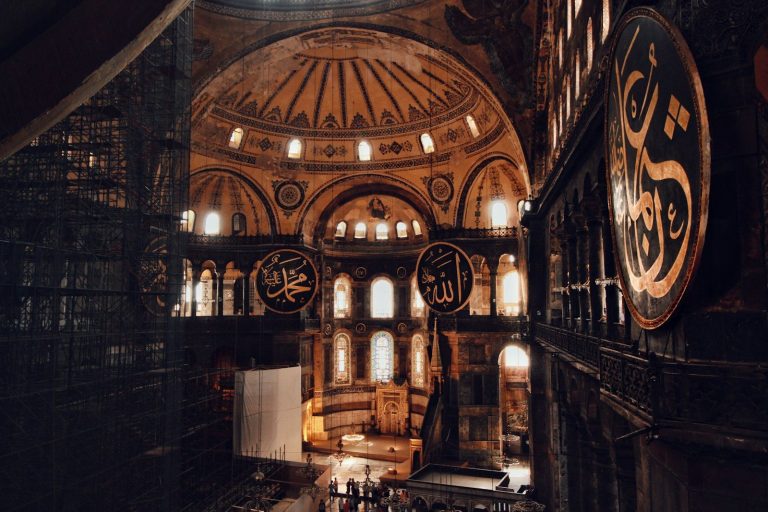
The crown jewel of Istanbul, Hagia Sophia has stood for nearly 1,500 years as one of humanity’s greatest architectural achievements. Built in 537 AD as a Byzantine cathedral, converted to a mosque in 1453, then a museum, and returned to mosque status — for the full museum circuit including skip-the-line access, see our best museums in Istanbul guide in 2020, this UNESCO World Heritage site showcases stunning Byzantine mosaics, massive dome engineering that influenced architecture for centuries, and layers of history visible in every corner.
Budget: Free (mosque)
Best time: 7-9am weekdays to avoid tour groups; avoid Friday prayer times (12-2:30pm)
How to get there: Tram T1 to Sultanahmet station, 5-minute walk
Photo tip: Upper gallery for dome shots and golden mosaics; courtyard at sunrise for exterior
Insider tip: The upper gallery reopened in 2024—don’t miss the Deësis mosaic showing Christ, Virgin Mary, and John the Baptist
2. Blue Mosque (Sultan Ahmed Mosque)
Directly facing Hagia Sophia, the Blue Mosque earns its nickname from the 20,000+ handmade Iznik tiles adorning its interior. Completed in 1616, it’s one of the few mosques with six minarets and remains an active place of worship. The cascading domes and graceful proportions make it one of the world’s most photographed mosques.
Budget: Free (modest dress required; scarves provided)
Best time: Early morning (8:30am) or late afternoon (4-5pm); closed during prayer times
How to get there: Tram T1 to Sultanahmet, 2-minute walk from Hagia Sophia
Photo tip: Dawn or dusk from the fountain courtyard; interior tiles glow best with natural light
Insider tip: Enter through the north gate (opposite the main tourist entrance) to skip lines
3. Topkapı Palace
For 400 years, this sprawling palace complex served as the residence of Ottoman sultans and the administrative heart of their empire. Today, it’s a museum showcasing imperial treasures including the 86-carat Spoonmaker’s Diamond, sacred relics, ornate courtyards, and the Harem quarters where the sultan’s family lived. The views over the Bosphorus from the Fourth Courtyard are spectacular.
Budget: mid-to-high; the Harem wing is a separate, higher-priced add-on
Best time: Arrive at opening (9am) Tuesday-Sunday; closed Mondays
How to get there: Tram T1 to Gülhane, 10-minute walk uphill
Photo tip: Baghdad Kiosk terrace for Bosphorus panoramas; Imperial Treasury for sparkle shots
Insider tip: Buy tickets online to skip the ticket queue, and budget 3-4 hours minimum
4. Basilica Cistern
Descend beneath the streets into this haunting 6th-century underground water reservoir. Held up by 336 marble columns (many recycled from older temples), atmospheric lighting, and the famous upside-down Medusa head columns, the Basilica Cistern feels like a subterranean cathedral. The cool, quiet space offers respite from summer heat and crowds.
Budget: mid-range
Best time: Early morning (9am) or after 4pm; summer gets very crowded midday
How to get there: Tram T1 to Sultanahmet, across from Hagia Sophia
Photo tip: Long exposure for mirror reflections in the water; Medusa heads at the far end
Insider tip: Visit immediately after Hagia Sophia—they’re 2 minutes apart, perfect combo
5. Grand Bazaar
One of the world’s oldest and largest covered markets, the Grand Bazaar has been the beating heart of Istanbul commerce since 1461. With 61 covered streets and over 4,000 shops selling carpets, ceramics, jewelry, leather, spices, and souvenirs, it’s a sensory overload. Haggling is expected and part of the experience.
Budget: Free entry (bring cash for shopping)
Best time: Weekday mornings (9-10am) before tour groups; closed Sundays
How to get there: Tram T1 to Beyazıt-Kapalıçarşı
Photo tip: Ornate ceiling arches; carpet shop displays; lantern vendors
Insider tip: Start haggling well below the asking price; shops near the Nuruosmaniye Gate have better quality
6. Spice Bazaar (Egyptian Bazaar)
Smaller and more manageable than the Grand Bazaar, the Spice Bazaar dates to 1664 and fills the air with aromas of saffron, dried fruits, Turkish delight, teas, and nuts. It’s the perfect spot to buy edible souvenirs and experience traditional market culture without the Grand Bazaar’s intensity.
Budget: Free entry (bring cash for shopping)
Best time: Early morning (9am) for less crowds; closed Sundays
How to get there: Tram T1 to Eminönü, right by the ferry docks
📸 Photo tip: Colorful spice pyramid displays; vendors arranging lokum (Turkish delight)
💡 Insider tip: Buy spices from shops inside the bazaar’s L-shaped arcade, not from stalls outside (better prices, better quality)
Beyoğlu & Galata
7. Galata Tower
This 67-meter medieval stone tower has defined Istanbul’s skyline since 1348. Built by the Genoese, it offers 360-degree panoramic views over the Golden Horn, Bosphorus, and both continents. The observation deck is especially magical at sunset when the city’s domes and minarets glow golden.
Budget: low-to-mid
Best time: Sunset (summer: 7-8pm, winter: 4-5pm) or early morning (9am) to avoid crowds
How to get there: Tram T1 to Karaköy, then steep uphill walk (10 min) or funicular
Photo tip: Golden hour for warm-lit cityscape; bring a wide lens for panoramas
Insider tip: Book tickets online to skip the 1-hour+ queue; the climb up is tight and crowded
8. Istiklal Avenue
Istanbul’s most famous pedestrian boulevard stretches 1.4km through Beyoğlu’s heart. Lined with historic buildings housing international shops, bookstores, cafes, art galleries, cinemas, and the nostalgic red tram rattling down the center, Istiklal pulses with energy from morning to midnight. Side streets reveal hidden gems—fish restaurants, meyhanes (taverns), rooftop bars, and vintage shops.
Budget: Free (bring money for shopping/eating)
Best time: Late afternoon into evening (4pm-10pm) for prime people-watching and dining
How to get there: Funicular from Karaköy to Tünel, or Metro M2 to Taksim Square
Photo tip: Nostalgic tram shot from Tünel end; side street staircases at golden hour
Insider tip: Explore the side streets—Asmalımescit for meyhanes, Çukurcuma for antiques, Cihangir for hip cafes
9. Taksim Square
The modern heart of Istanbul, Taksim Square anchors the city’s contemporary identity. While the square itself is more transit hub than destination, it marks the start of Istiklal Avenue and connects to Gezi Park—Istanbul’s most central green space. The Republic Monument commemorates the founding of modern Turkey in 1923.
Budget: Free
Best time: Evening for people-watching; avoid midday summer heat
How to get there: Metro M2 to Taksim
Photo tip: Republic Monument with Turkish flags; panoramic city views from Gezi Park edge
Insider tip: Use Taksim as a transit point rather than a destination—the real action is on Istiklal and side streets
Bosphorus
10. Bosphorus Ferry Cruise
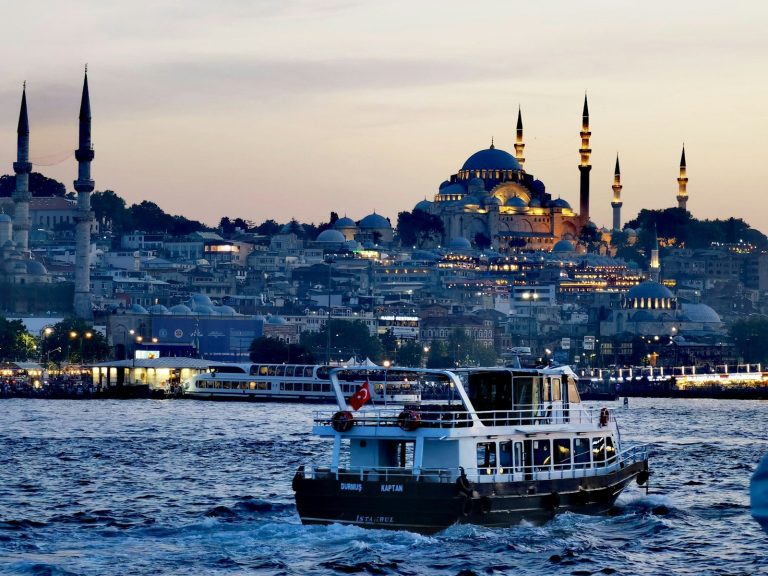
The iconic Bosphorus cruise is Istanbul’s quintessential experience—gliding between Europe and Asia on the strait that connects the Black Sea to the Sea of Marmara. Public ferries offer the best value, passing Ottoman palaces, waterfront mansions (yalıs), fortresses, and fishing villages. The full round-trip from Eminönü to Anadolu Kavağı takes about 6 hours, but shorter routes work too.
Budget: a short hop on the public ferry is the cheapest option; full sightseeing cruises cost more; private sunset charters are the premium tier
Best time: Morning departure (10:30am) for full tour; sunset cruises (6-8pm) for romance
How to get there: Ferry docks at Eminönü (near Spice Bazaar) or Karaköy
Photo tip: Upper deck for palace shots; evening light on European shore from Asian side
Insider tip: Take the public Şehir Hatları ferry for authentic experience and locals’ company—skip overpriced tourist boats
11. Dolmabahçe Palace
If Topkapı shows Ottoman origins, Dolmabahçe reveals their end—a lavish 19th-century palace built to rival Versailles. The opulent European-style interiors include the world’s largest Bohemian crystal chandelier (a gift from Queen Victoria), 14 tons of gold leaf, and 285 rooms of excess. Atatürk, founder of modern Turkey, spent his final days here.
Budget: mid-to-high; guided tours mandatory
Best time: Weekday mornings (9am); closed Mondays and Thursdays
How to get there: Tram T1 to Kabataş, 5-minute walk along waterfront
Photo tip: Waterfront facade from Üsküdar ferry; chandelier in Ceremonial Hall (no flash)
Insider tip: Book online to guarantee entry—daily visitor caps often sell out by noon
12. Ortaköy
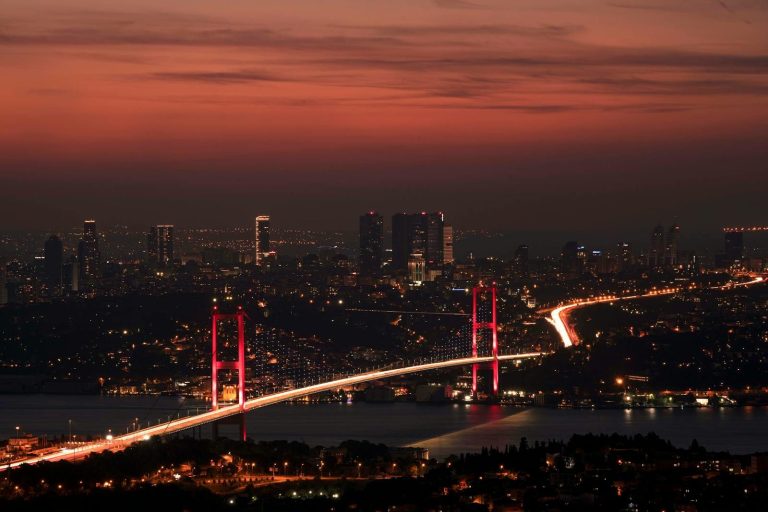
This charming Bosphorus-side neighborhood clusters around a baroque mosque at the water’s edge, with the soaring Bosphorus Bridge as backdrop. Street vendors sell kumpir (loaded baked potatoes), waffles, and simit while locals and tourists alike gather at waterfront cafes. Weekend craft markets add to the buzz.
Budget: Free (bring money for food and market shopping)
Best time: Late afternoon into evening (4-9pm); Sundays for craft market
How to get there: Bus from Beşiktaş or Taksim; or taxi from city center (20 min)
Photo tip: Ortaköy Mosque with Bosphorus Bridge framed behind at sunset
Insider tip: Try kumpir from street vendors by the mosque—massive, customizable, and filling and inexpensive
13. Rumeli Fortress
Built in just four months in 1452 by Sultan Mehmed II to control the Bosphorus before conquering Constantinople, this imposing fortress sprawls up a hillside with towers, walls, and battlements intact. Climb to the top for sweeping Bosphorus views and a sense of the strategic genius behind Istanbul’s conquest.
Budget: low-to-mid
Best time: Late afternoon (3-5pm) for golden light; closed Wednesdays
How to get there: Bus from Taksim or Beşiktaş to Rumeli Hisarı stop
Photo tip: Climb to upper tower for fortress-and-Bosphorus vista; arched gates framing water
Insider tip: The neighboring village has waterfront fish restaurants—combine your visit with a seafood lunch
Asian Side
14. Kadıköy Neighborhood
Cross to Asia and discover where locals actually hang out. Kadıköy is Istanbul’s hipster heart—a maze of streets filled with independent cafes, craft beer bars, street art, vintage shops, produce markets, and some of the city’s best meyhanes (traditional taverns). Moda neighborhood within Kadıköy offers waterfront promenades and a laid-back seaside vibe.
Budget: Free to explore (bring money for food and drinks)
Best time: Afternoon into evening (3pm-midnight) for market-to-dinner transition
How to get there: Ferry from Eminönü or Karaköy to Kadıköy (20 min, cheap)
Photo tip: Street art on Yeldeğirmeni backstreets; sunset from Moda coast
Insider tip: Hit Çiya Sofrası for regional Turkish dishes you won’t find elsewhere, or explore the Tuesday market for authentic local shopping
15. Üsküdar & Maiden’s Tower
Üsküdar is the Asian side’s historic face, with Ottoman mosques, waterfront promenades, and stunning views back to the European shore. Just offshore sits the Maiden’s Tower (Kız Kulesi), Istanbul’s most romantic landmark—a tiny island tower that’s appeared in countless legends, films, and marriage proposals. Take a boat out for sunset drinks or dinner.
Budget: free to explore Üsküdar; Maiden’s Tower charges separately for the boat and the entry
Best time: Late afternoon (4-6pm) for golden hour views across to Sultanahmet
How to get there: Ferry from Eminönü or Karaköy to Üsküdar (20 min)
Photo tip: Maiden’s Tower from Üsküdar waterfront at sunset; reverse shot of Sultanahmet from tower
Insider tip: Skip the tower’s restaurant (overpriced) and just pay for the boat ride and viewing platform
16. Çamlıca Hill
Istanbul’s highest point on the Asian side offers breathtaking 360-degree panoramas over the entire city, Bosphorus, and Sea of Marmara. The hilltop park features gardens, cafes, and the newly built Çamlıca Mosque—Turkey’s largest mosque. It’s a local favorite for picnics and sunset gatherings.
Budget: free (a short taxi ride from Üsküdar)
Best time: Sunset (bring a blanket for picnic); avoid midday heat in summer
How to get there: Bus from Üsküdar or taxi (15 min uphill)
Photo tip: Sunset panorama with mosque silhouette; city lights after dark
Insider tip: Bring tea and snacks from Üsküdar market—hilltop cafes are pricey and basic
Cultural & Modern
17. Turkish Bath (Hamam Experience)
No Istanbul visit is complete without experiencing a traditional Turkish bath. Centuries-old hamams like Çemberlitaş, Ayasofya Hürrem Sultan, or Kılıç Ali Paşa offer the full ritual: steamy marble chambers, exfoliating scrub (kese), foam massage, and deep relaxation. It’s equal parts cultural immersion, spa treatment, and architectural wonder.
Budget: it depends entirely on which hamam and which package you choose
Best time: Afternoon (2-5pm) when less crowded; book ahead for historic hamams
How to get there: Historic hamams cluster near Sultanahmet and Beyoğlu
Photo tip: Most hamams prohibit cameras inside; exterior shots of Çemberlitaş Hamam’s dome
Insider tip: Bring your own towel/pestemal to save rental fees; tipping your attendant is customary
18. Istanbul Modern Art Museum
Reopened in 2023 in a stunning Renzo Piano-designed waterfront building, Istanbul Modern showcases contemporary Turkish and international art across galleries with floor-to-ceiling Bosphorus views. The permanent collection traces Turkish modernism from 1950s onward, while rotating exhibitions highlight cutting-edge work.
Budget: mid-range; free on Thursday evenings
Best time: Weekday mornings (10am-12pm) or Thursday evenings for free entry
How to get there: Tram T1 to Tophane, 5-minute walk to Galataport
Photo tip: Museum cafe terrace for Bosphorus-and-art combo shots
Insider tip: Combine with Galataport shopping and waterfront dining for a full modern Istanbul day
19. Galataport
Istanbul’s newest attraction, Galataport opened in 2021 as a cruise port transformed into a cultural and shopping district along the Bosphorus waterfront. Underground tunnels house luxury boutiques while above-ground promenades connect museums, restaurants, and public art installations. It’s where modern Istanbul shows off.
Budget: Free to walk (bring money for shopping/dining)
Best time: Late afternoon into evening (4-9pm) for waterfront stroll and dinner
How to get there: Tram T1 to Tophane or Karaköy
Photo tip: Waterfront promenade with ships and Sultanahmet skyline across water
Insider tip: The underground shopping feels like an airport duty-free—skip it and stick to the waterfront promenade and museums
20. Istanbul Street Food Tour
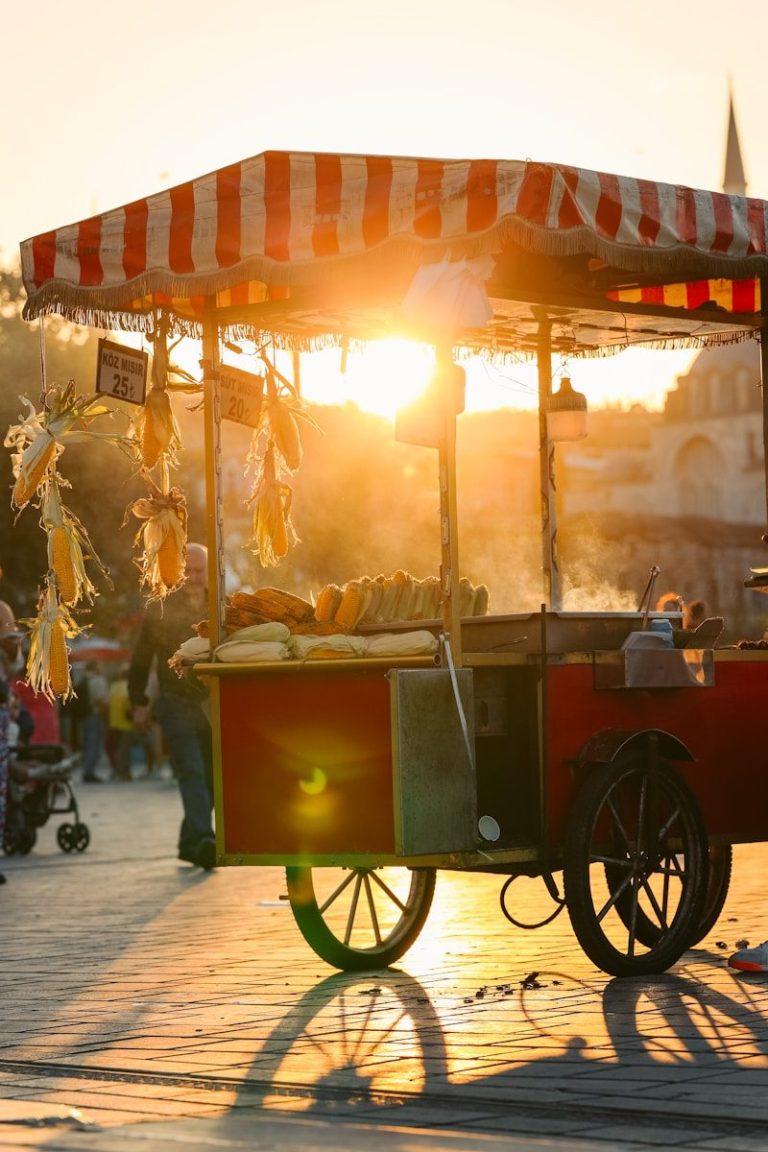
Istanbul’s street food scene is legendary—from simit (sesame bread rings) vendors on every corner to balık ekmek (fish sandwiches) rocking on boats at Eminönü, midye dolma (stuffed mussels), döner wraps, börek pastries, roasted chestnuts, and more. A self-guided food crawl through Eminönü, Kadıköy market, or Istiklal side streets reveals the city’s edible soul.
Budget: inexpensive per item; a full grazing feast costs more
Best time: Late afternoon/early evening (5-8pm) when vendors are busiest
How to get there: Eminönü (Tram T1) for balık ekmek; Kadıköy for everything else
Photo tip: Balık ekmek boats at Eminönü pier; simit vendor carts at golden hour
Insider tip: Only eat midye dolma from busy vendors (high turnover = fresh); squeeze lemon generously
Evening performances belong to the same side of the city, and they are listed for the evening.
Hidden Gems
21. Fener & Balat Colorful Neighborhoods
These adjacent historic neighborhoods on the Golden Horn are Instagram gold—Ottoman-era houses painted in rainbow colors, Greek Orthodox churches, synagogues, hip cafes in converted buildings, and steep cobblestone streets. Once home to Greek and Jewish communities, today Fener and Balat blend gentrification with authentic working-class grit.
Budget: Free to explore (bring money for cafes)
Best time: Morning (9am-12pm) for best light on colorful houses; avoid midday summer heat
How to get there: Bus from Eminönü or Karaköy to Balat; or ferry to Fener
Photo tip: Colorful houses on steep streets (Kiremit Caddesi); Sveti Stefan Bulgarian Church
Insider tip: Explore early before Instagram crowds; Café Naftalin K for vintage vibes and Turkish coffee
22. Princes’ Islands Day Trip
Escape the city’s chaos with a ferry to the Princes’ Islands—a car-free archipelago in the Sea of Marmara where horse-drawn carriages and bicycles replace traffic. Büyükada, the largest island, offers Victorian mansions, pine forests, swimming coves, and seafood restaurants. It’s where Istanbulites go to breathe.
Budget: the public ferry round-trip is cheap; bikes cost extra and horse carriages the most
Best time: Spring or fall weekdays to avoid summer weekend crowds; full day trip recommended
How to get there: Ferry from Eminönü or Kadıköy (1-1.5 hours to Büyükada)
Photo tip: Victorian mansions on hilltop; ferry wake with Istanbul skyline receding
Insider tip: Rent bikes at the dock and cycle the island loop—cheaper and more flexible than horse carriages
23. Pierre Loti Hill
Named after a French novelist who fell in love with Istanbul, this hilltop cafe in Eyüp offers serene views over the Golden Horn cemetery and city beyond. A cable car whisks you up the forested hillside to terraces where locals sip tea and play backgammon. It’s old Istanbul, unhurried and authentic.
Budget: a cheap cable car round-trip; tea at the top is inexpensive
Best time: Late afternoon (4-6pm) for golden light; sunset even better
How to get there: Bus or metro to Eyüp, then cable car (teleferik) to hilltop
Photo tip: Golden Horn and cemetery from terrace; cable car ascending through trees
Insider tip: Visit Eyüp Sultan Mosque at the base before heading up—one of Islam’s holiest sites in Istanbul
24. Süleymaniye Mosque
Often overshadowed by the Blue Mosque, Süleymaniye is actually Istanbul’s grandest imperial mosque—designed by legendary architect Mimar Sinan for Süleyman the Magnificent in 1558. The interior feels lighter and more graceful than the Blue Mosque, with exquisite Iznik tiles, stained glass, and a garden courtyard offering panoramic Golden Horn views.
Budget: Free (modest dress required)
Best time: Early morning (9am) or late afternoon (4pm); avoid Friday midday prayers
How to get there: Tram T1 to Beyazıt, then 10-minute uphill walk
Photo tip: Courtyard columns framing Golden Horn; interior dome from prayer hall
Insider tip: The mosque complex includes Sinan’s tomb and a tea garden with spectacular views—don’t rush away
25. Istanbul Rooftop Bars & Nightlife
Istanbul’s nightlife scene rivals any European capital. Rooftop bars in Beyoğlu and Karaköy offer Bosphorus views with craft cocktails, while nightclubs along the waterfront rage until dawn. Nevizade Sokak and Asmalımescit are packed with meyhanes serving rakı (anise spirit) and meze. For live music, head to Babylon or Salon IKSV.
Budget: premium: cocktails and meyhane dinners are the priciest options, beer the cheapest
Best time: Rooftops: sunset (7-9pm); clubs: after midnight (Fri-Sat)
How to get there: Most venues cluster in Beyoğlu (Taksim Metro) or Karaköy (Tram T1)
Photo tip: Mikla or 360 Istanbul rooftops at blue hour; neon-lit Nevizade streets
Insider tip: Mikla requires reservations and dress code; for casual rooftop vibes try 5.Kat or Ντού Μπέμπα in Karaköy
The passes, cruises and guided days mentioned throughout this guide are collected on one page.
Istanbul Budget Guide
Understanding costs helps you plan better. Here’s what to expect:
Attraction Entrance Fees
| Attraction | Cost |
|---|---|
| Hagia Sophia | Free |
| Blue Mosque | Free |
| Topkapı Palace | Paid — mid-to-high |
| Topkapı Palace Harem | Paid — add-on |
| Basilica Cistern | Paid — mid |
| Dolmabahçe Palace | Paid — mid-to-high |
| Galata Tower | Paid — low-to-mid |
| Istanbul Modern | Paid — mid |
| Rumeli Fortress | Paid — low-to-mid |
| Grand Bazaar | Free |
| Spice Bazaar | Free |
| Bosphorus Public Ferry | Paid — low |
Daily Budget Estimates
- Budget traveler: hostels, street food, public transport and the free sites keep daily costs lowest
- Mid-range traveler: 3-star hotels, restaurant meals, pass deals and the occasional taxi sit in the middle
- Luxury traveler: 4-5 star hotels, fine dining, private guiding and rooftop bars push daily costs highest
Money-Saving Tips
- Get an Istanbulkart — Rechargeable transport card costs less per ride than single tickets
- Focus on free attractions — Mosques, bazaars, neighborhoods, and ferry rides cost little to nothing
- Eat like locals — Street food and lokantas (workers’ restaurants) offer huge value
- Visit museums on free days — Some museums offer free Thursday evening entry
- Walk between Sultanahmet sights — They’re clustered within 15 minutes of each other
- Take public ferries — Skip private Bosphorus tour boats and ride with locals for a fraction of the price
- Shop outside tourist zones — Kadıköy markets are noticeably cheaper than Sultanahmet
Getting Around Istanbul
Istanbul’s public transport system is extensive, modern, and affordable once you understand it.
Transport Types
- Tram (T1): The workhorse line connecting airport → Sultanahmet → Eminönü → Karaköy → Kabataş. Runs every 5-10 minutes, 6am-midnight.
- Metro (M2, M3, M4): Connects Taksim to Asian side (M2), airport to Kirazlı (M3), Kadıköy to Tavşantepe (M4). Fast and frequent.
- Ferry: Crosses Bosphorus between Europe and Asia; scenic and essential for Asian side visits. Runs 7am-9pm most routes.
- Funicular: Two lines—Taksim to Kabataş and Karaköy to Tünel (Istiklal Avenue). Saves steep uphill walks.
- Bus: Extensive network but confusing for tourists; stick to rail and ferries when possible.
- Taxi/Uber: Metered taxis are everywhere; insist on meter (taksi metre). Uber and BiTaksi apps work well.
Istanbulkart — Your Best Friend
Buy this rechargeable smart card at any major transport hub (airports, Sultanahmet, Taksim); there is a small one-off card fee on top of the credit you load. Top it up at machines (cash or card). Each ride then costs less than a single paper ticket, so the card pays for itself after a couple of trips. It works on trams, metro, ferries, buses, and funiculars.
Walking Distances
- Hagia Sophia ↔ Blue Mosque: 2 minutes
- Blue Mosque ↔ Grand Bazaar: 10 minutes
- Sultanahmet ↔ Spice Bazaar: 15 minutes (or Tram T1)
- Galata Bridge ↔ Galata Tower: 10 minutes uphill
- Karaköy ↔ Taksim: 5 minutes via funicular, 25 minutes steep walk
Essential Apps
- Moovit — Best public transport route planner
- Google Maps — Walking directions and traffic updates
- BiTaksi — Local Uber alternative
- Trafi — Real-time transport updates
Best Instagram Spots in Istanbul
Istanbul is endlessly photogenic. Here are the top spots:
Galata Bridge at Sunset — Fishermen silhouettes, minarets glowing, Bosphorus shimmering. Golden hour (7-8pm summer).
Colorful Houses of Balat — Rainbow Ottoman houses on steep cobblestone streets. Morning light (9-11am) best.
Blue Mosque Courtyard — Minarets, fountain, arches. Dawn or dusk for fewer people and golden light.
Maiden’s Tower from Üsküdar — Iconic island tower with Sultanahmet skyline behind. Sunset (6-8pm).
Nostalgic Tram on Istiklal — Red vintage tram rattling down pedestrian boulevard. Late afternoon (4-6pm) for warm light.
Bonus spots: Basilica Cistern’s Medusa heads, Ortaköy Mosque with Bosphorus Bridge, Rumeli Fortress battlements, Fener’s colorful streets, Pierre Loti Hill panorama.
Golden Hour Timing
- Summer (June-Aug): 7-8:30pm
- Spring/Fall (Apr-May, Sep-Oct): 6-7:30pm
- Winter (Nov-Mar): 4-5:30pm
Drone Regulations
Drones are heavily restricted in Istanbul. Most tourist areas (Sultanahmet, Beyoğlu, Bosphorus) are no-fly zones. Flying without permits risks fines and confiscation. Stick to ground-level and rooftop photography.
Where to Eat in Istanbul
Istanbul’s food scene spans street carts to Michelin-starred restaurants. Here’s where to eat well:
Near Sultanahmet
- Sefa Restaurant — Traditional Turkish pide and kebabs, locals’ favorite. Budget: inexpensive
- Tarihi Sultanahmet Köftecisi — Famous meatball joint since 1920. Budget: inexpensive
- Deraliye Ottoman Cuisine — Upscale Ottoman recipes in historic setting. Budget: upscale
Beyoğlu & Galata
- Karaköy Lokantası — Modern Turkish mezze in trendy space. Budget: moderate
- Mikla — Michelin-level Anatolian cuisine with rooftop views. Budget: premium (reservations essential)
- Nevizade Sokak meyhanes — Street lined with traditional taverns serving rakı and meze. Budget: moderate
Asian Side (Kadıköy)
- Çiya Sofrası — Regional Turkish dishes you won’t find elsewhere (Anthony Bourdain’s favorite). Budget: moderate
- Kadıköy Fish Market restaurants — Fresh seafood grilled to order. Budget: moderate
- Çakmak Kahvaltı Salonu — Epic Turkish breakfast spreads. Budget: inexpensive
Street Food Must-Try
- Simit — Sesame bread rings (cheap) — everywhere
- Balık Ekmek — Fish sandwiches from boats at Eminönü (inexpensive)
- Döner — Rotating meat wraps (inexpensive)
- Börek — Flaky cheese or spinach pastries (inexpensive)
- Midye Dolma — Stuffed mussels (cheap, sold by the piece)
- Kumpir — Loaded baked potatoes at Ortaköy (inexpensive)
Budget Guidelines
- Street food: the cheapest way to eat, sold by the item
- Casual restaurants (lokantas): inexpensive, home-style cooking
- Mid-range dining: sit-down restaurants at moderate prices
- Fine dining: the premium end of the scale
- Turkish breakfast: a generous spread that is good value
- Drinks: tea is the cheapest, coffee and beer sit in the middle, cocktails the priciest
Pro tip: For authentic cheap eats, look for lokantas (workers’ restaurants) with steam trays of home-cooked dishes. Point at what looks good, pay by weight. A full meal here costs very little.
Conclusion
Istanbul is a city that rewards curiosity. Beyond the must-see monuments and Instagram spots, the real magic lies in wandering—getting lost in bazaar lanes, sipping tea with shopkeepers, riding ferries with locals commuting home, stumbling into neighborhood meyhanes, and watching the muezzin’s call echo across the Bosphorus at sunset.
Whether you come for the Byzantine mosaics, Ottoman palaces, cutting-edge art, rooftop bars, or simply the thrill of standing between two continents, Istanbul delivers experiences that linger long after you leave. The city’s 2,600 years haven’t dulled its edge—they’ve sharpened it.
Ready to explore Istanbul? Book your tours and experiences, pack your walking shoes, load your Istanbulkart, and prepare for one of the world’s most captivating cities. Istanbul doesn’t just meet expectations—it rewrites them.
Safe travels, and enjoy every moment of your Istanbul adventure!