Best Time to Visit Turkey in 2026: Weather, Crowds & Prices Guide
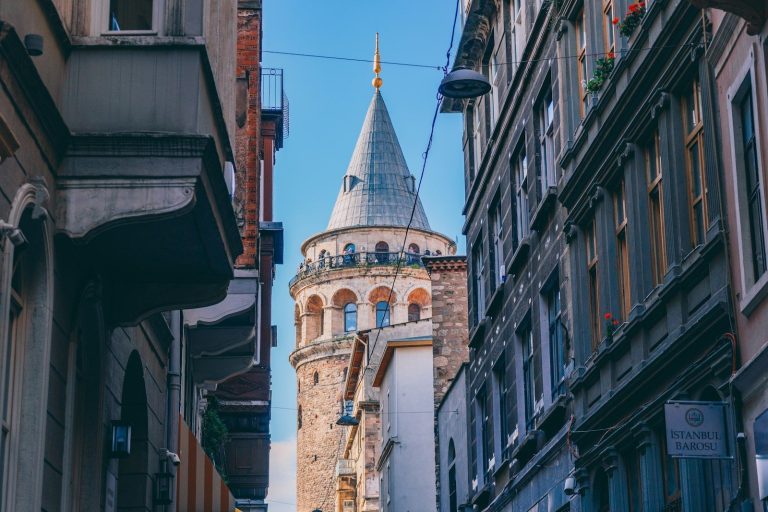
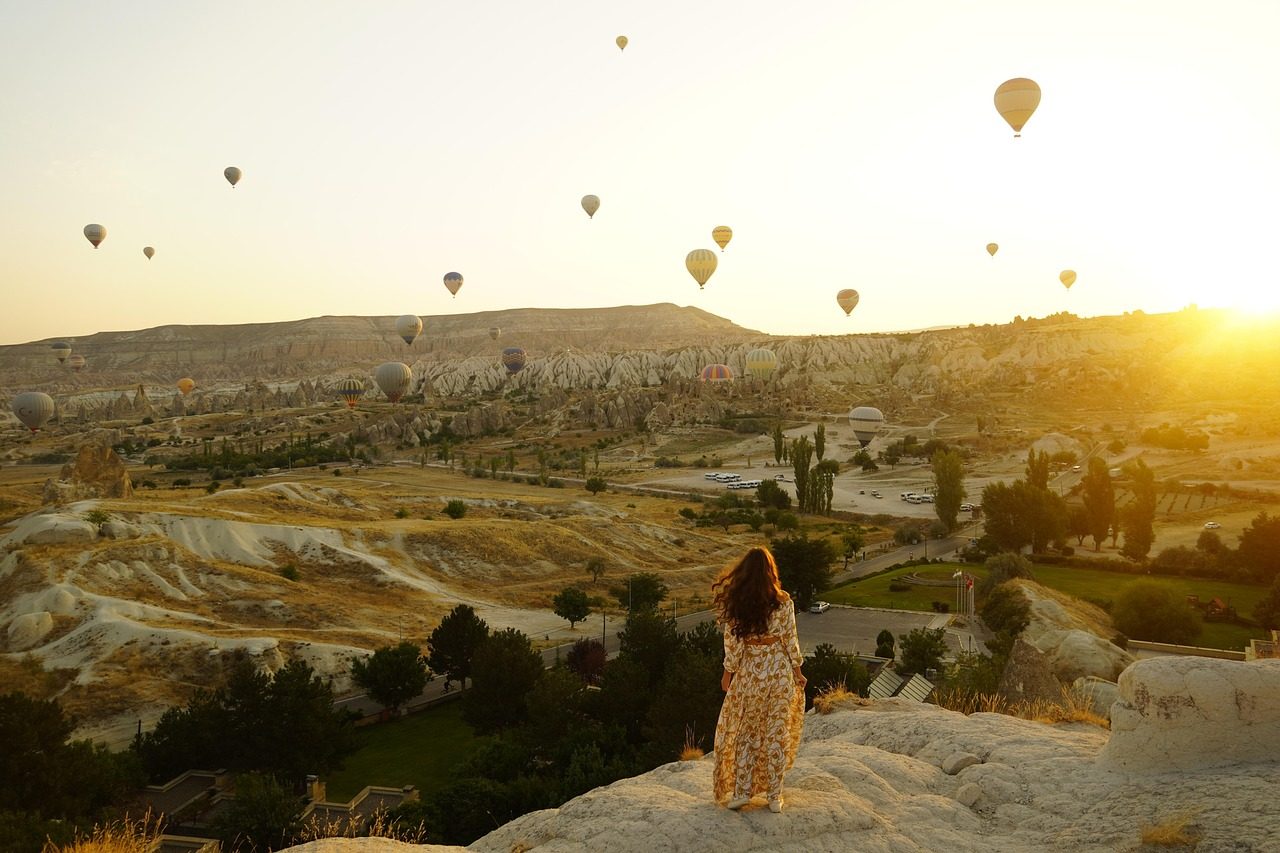
Imagine drifting silently above Cappadocia’s fairy chimneys as the first rays of sunrise paint the sky in hues of pink and gold — all while enjoying comfortable temperatures and without battling massive crowds. Or picture yourself wandering through Istanbul’s historic streets, sipping Turkish tea in a quiet café, with mild spring air and blooming tulips all around.
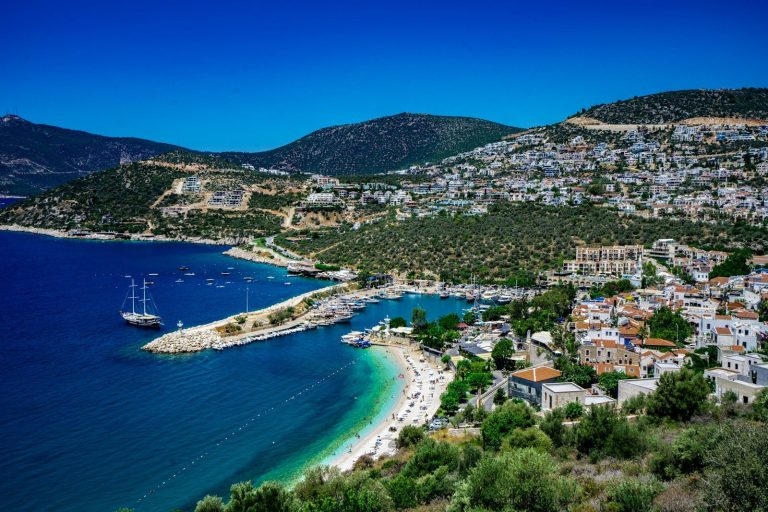
For most international travelers, 2026 offers an excellent opportunity to experience Turkey at its best. This vast country, bridging Europe and Asia, boasts world-class attractions: the bustling bazaars and iconic landmarks of Istanbul, the otherworldly landscapes of Cappadocia, the ancient ruins of Ephesus, and the turquoise waters of the Mediterranean coast.
But timing is everything.
The shoulder seasons — April to May and September to October — stand out as the best time to visit Turkey in 2026. These golden months deliver the perfect balance: pleasant weather ranging from 59–77°F (15–25°C), manageable crowds, and prices that are typically 20–35% lower than the hectic peak summer period. Whether you’re planning a cultural deep-dive, a romantic hot air balloon adventure, or a relaxing beach escape, these windows let you enjoy Turkey’s highlights without the extremes of heat, crowds, or inflated costs.
- Peak season (June–August) brings hot sunny days ideal for beach holidays along the Turquoise Coast, but expect higher prices, busier sites, and temperatures that can climb above 86°F (30°C).
- Low season (November–March) offers the cheapest deals and a quieter, sometimes magical atmosphere (think snowy Cappadocia), though cooler and wetter weather limits some outdoor activities.
- Shoulder seasons win for most visitors because they combine comfortable conditions for sightseeing with better value and availability.
Throughout this comprehensive 2026 guide, we’ll break down the weather, crowd levels, and pricing month by month across key regions like Istanbul, Cappadocia, and Antalya. You’ll also find practical guidance on the experiences that work best in each season, and what to check before you book them.
Ready to discover when Turkey will shine brightest for your trip? Let’s dive into the details, starting with a quick seasonal overview.
Why 2026 is an Excellent Year to Visit Turkiye
Turkey continues to solidify its position as one of the world’s most dynamic travel destinations, and 2026 stands out as a particularly strong year for international visitors. Following record-breaking tourism numbers in 2025 — with approximately 64 million international visitors — the country is on track to reach even higher targets in 2026.
This momentum brings several advantages for travelers planning a trip in 2026:
Improved Infrastructure and New Experiences
Major airports, including a new terminal in Antalya, along with expanded hotel options and enhanced transportation networks, make getting around easier than ever.
New luxury resorts and boutique properties are opening across the Turkish Riviera and Cappadocia, offering more choices for every budget and travel style.
Domestic flights and high-speed rail connections continue to improve, allowing smoother multi-destination itineraries combining Istanbul, Cappadocia, and the Aegean or Mediterranean coasts.
Strong Value and Growing Appeal
Many travelers are shifting toward “deep history” routes, choosing Turkey (often combined with Egypt) as a more immersive and less overcrowded alternative to popular European destinations.
This trend means you’ll find excellent value in accommodations, tours, and experiences, especially during shoulder seasons.
At the same time, the country’s focus on year-round tourism — including gastronomy, cultural events, and niche segments like wellness and archaeology — ensures there’s something worthwhile no matter when you visit.
Rich Calendar of Events and Festivals
2026 features a vibrant lineup of cultural highlights:
- Istanbul Tulip Festival (April) — vibrant displays across the city’s parks.
- Istanbul Film Festival (April) and Istanbul Music & Jazz Festivals (June–July).
- Aspendos International Opera and Ballet Festival (summer months in Antalya’s ancient theater).
- Possible Cappadox or other arts events in Cappadocia.
- Major international gatherings, including the Antalya Diplomacy Forum and large-scale conferences, add energy without overwhelming core tourist areas.
Note on Ramadan in 2026
Ramadan is expected to fall roughly from mid-February to mid-March 2026, with Eid al-Fitr (Ramadan Bayram) around March 20–22. In tourist hubs like Istanbul, Antalya, and Cappadocia, services largely continue as normal, though some restaurants may adjust hours, and the atmosphere becomes more festive after sunset.
Visiting during this period can offer a unique cultural immersion with fewer crowds and special evening experiences.
Importantly, Turkey’s main tourist regions — Istanbul, Cappadocia, Antalya, Bodrum, and the ancient sites — continue to operate normally with full services, flights, and hospitality. Major attractions remain open and welcoming to international visitors.
In short, 2026 combines strong infrastructure improvements, competitive pricing, cultural richness, and growing global interest — making it an ideal time to experience Turkey’s unique blend of history, nature, and hospitality.
Best Time to Visit Turkey Overall 2026
Turkey is a year-round destination with diverse climates and attractions, but timing your trip can make a significant difference in comfort, cost, and overall enjoyment.
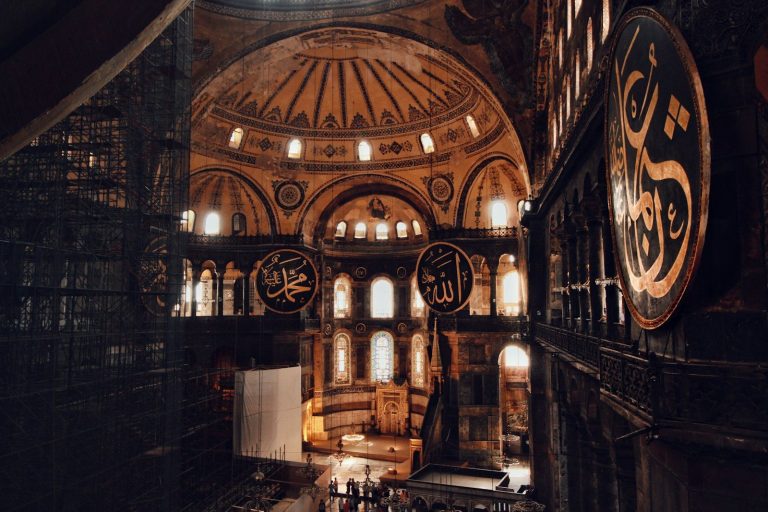
For most international travelers in 2026, the shoulder seasons — April to May and September to October — offer the best overall experience. These months provide pleasant weather for sightseeing, fewer crowds at major attractions like Hagia Sophia, the Blue Mosque, and Ephesus, and prices that are typically 20–35% lower than the busy summer peak.
Here’s a quick breakdown of the three main travel seasons in Turkey:
| Season | Months | Average Temperature | Crowd Levels | Price Level | Best For |
|---|---|---|---|---|---|
| Shoulder (Best) | April–May, Sep–Oct | 59–77°F (15–25°C) | Medium | Medium (best value) | Sightseeing, hot air balloon rides, ancient ruins, balanced experiences |
| Peak | June–August | 77–95°F (25–35°C+) | High | High | Beach holidays on the Turquoise Coast (Antalya, Bodrum, Fethiye) |
| Low | November–March | 39–64°F (4–18°C) | Low | Low (cheapest) | Budget trips, snowy Cappadocia landscapes, cultural immersion with fewer tourists |
Why Shoulder Season Wins for Most Visitors
- Comfortable Weather: Mild temperatures make it ideal for walking through Istanbul’s historic districts, exploring Cappadocia’s fairy chimneys, or visiting open-air archaeological sites without extreme heat or cold.
- Fewer Crowds: You’ll avoid long lines at popular spots and enjoy more personal space for photography and reflection.
- Better Value: Hotel rates, tour prices, and even domestic flights tend to be more affordable, while most attractions and services remain fully operational.
- Reliable Experiences: Spring and fall offer the highest success rates for Cappadocia hot air balloon flights (often above 85–90% in good conditions) and pleasant sea temperatures for coastal visits in September–October.
When to Choose Peak or Low Season Instead
- Summer (June–August) is perfect if your priority is beach time. The Mediterranean and Aegean coasts shine with warm water and long sunny days, but expect hotter inland temperatures, busier sites, and higher costs.
- Winter (November–March) delivers the lowest prices and a quiet, magical atmosphere — especially in Cappadocia with possible snow-covered landscapes. However, cooler and wetter weather means some outdoor activities may be limited, and certain coastal resorts scale back operations.
Pro Tip: If you’re combining multiple regions (e.g., Istanbul + Cappadocia + Antalya), shoulder season gives you the most flexibility without compromising comfort or budget.
In the next section, we’ll dive deeper into a month-by-month breakdown, including specific weather patterns, crowd forecasts, and pricing trends for 2026 across Turkey’s key destinations.
Month-by-Month Breakdown for 2026
To help you plan your trip precisely, here’s a detailed month-by-month overview of weather, crowd levels, and relative pricing across Turkey’s three most popular regions: Istanbul (cultural hub), Cappadocia (unique landscapes and hot air balloons), and Antalya (Mediterranean beach destination).
Temperatures are shown as daytime averages (highs). Note that actual conditions can vary, especially in inland areas like Cappadocia, which experiences bigger day-night swings.
| Month | Istanbul | Cappadocia | Antalya | Crowd Level | Price Level | Best For & Notes |
|---|---|---|---|---|---|---|
| January–March | 46–54°F (8–12°C) | 39–52°F (4–11°C) | 55–64°F (13–18°C) | Low | Lowest | Budget travel, snowy Cappadocia landscapes, indoor sites in Istanbul. Cooler and wetter; some balloon flights possible but riskier. |
| April | 59–64°F (15–18°C) | 61–64°F (16–18°C) | 70–72°F (21–22°C) | Medium | Medium | Tulip Festival in Istanbul, pleasant sightseeing, early balloon season. Mild and increasingly sunny. |
| May | 66–70°F (19–21°C) | 68–70°F (20–21°C) | 77°F (25°C) | Medium–High | Medium | Excellent all-rounder. Great for hot air balloons (high success rate), blooming landscapes, and comfortable city exploration. |
| June–August | 77–82°F (25–28°C) | 75–82°F (24–28°C) | 86–91°F (30–33°C) | High | Highest | Beach holidays on the Turquoise Coast. Hot inland; ideal for swimming but less comfortable for ruins and long walks. |
| September | 73–75°F (23–24°C) | 72–75°F (22–24°C) | 82–86°F (28–30°C) | Medium | Medium | One of the best months overall. Warm sea, comfortable temperatures, and fewer crowds than summer. |
| October | 64–68°F (18–20°C) | 61–64°F (16–18°C) | 75–77°F (24–25°C) | Medium–Low | Medium–Low | Great balance for sightseeing and coastal visits. Pleasant weather with shorter days. |
| November–December | 54–59°F (12–15°C) | 46–54°F (8–12°C) | 64–68°F (18–20°C) | Low | Low | Quiet period with good deals. Cool and rainy in places; magical winter scenery in Cappadocia possible. |
January to March (Low Season – Budget & Quiet)
Winter brings the lowest prices and fewest tourists.
Expect cool, sometimes rainy weather in Istanbul and colder nights in Cappadocia, where snow can create stunning fairy-chimney landscapes.
Antalya remains milder and suitable for coastal walks.
This is ideal for budget travelers who want to explore museums, hammams, and historic sites without crowds. Hot air balloon flights are possible but more prone to cancellation due to wind.
April to May (Shoulder Season – Highly Recommended)
Spring arrives with mild temperatures and increasing sunshine. April features Istanbul’s famous Tulip Festival, while May offers near-perfect conditions nationwide.
Cappadocia’s balloon flights have a high success rate thanks to stable weather.
Crowds are manageable, and prices remain reasonable before the summer surge. This period suits cultural tours, hiking, and photography.
June to August (Peak Season – Beach Focus)
Summer delivers hot, sunny days perfect for the Mediterranean and Aegean coasts.
Antalya and nearby resorts thrive with warm sea temperatures, yachting, and beach clubs.
However, inland areas like Cappadocia and Ephesus can feel uncomfortably hot during the day, making early-morning visits essential.
Expect higher hotel rates, busier attractions, and more international visitors — book popular experiences well in advance.
September to October (Shoulder Season – Often the Sweet Spot)
Many experienced travelers consider September and especially October among the very best months to visit Turkey in 2026.
The intense summer heat eases, the sea remains warm enough for swimming, and crowds thin out noticeably.
These months deliver excellent conditions for combining city sightseeing, ancient ruins (Ephesus and Pamukkale feel far more enjoyable), and Cappadocia balloon rides with comfortable temperatures and beautiful light.
November to December (Low Season – Value & Atmosphere)
As temperatures drop, so do prices. You’ll find great deals on accommodation and tours.
While cooler and occasionally rainy, this period offers a peaceful atmosphere and unique winter experiences, such as snowy Cappadocia or festive vibes in Istanbul toward the end of the year. For month-by-month detail on the cold season, see our guide to Turkey in winter.
Coastal resorts may have reduced services.
Key Takeaway for 2026: If you want the best overall balance of weather, crowds, and value, prioritize April–May or September–October. Travelers focused purely on beaches should target June–August, while budget-conscious visitors will benefit most from November–March.
Weather in Turkey by Region
Turkey’s diverse geography creates very different weather patterns across its regions.
Understanding these differences helps you choose the right destinations and activities for your 2026 trip. Below is a clear breakdown of the four main areas most travelers visit.
Istanbul (Marmara Region)
- Best time to visit: April–May and September–October
- Spring (April–May): 59–70°F (15–21°C). Mild, pleasant, and increasingly sunny with occasional light rain. Perfect for walking tours and exploring the historic peninsula.
- Summer (June–August): 77–82°F (25–28°C). Warm and humid. Days can feel sticky, especially in the city center.
- Fall (September–October): 64–75°F (18–24°C). Comfortable and often sunny — many consider this the most enjoyable period.
- Winter (November–March): 46–59°F (8–15°C). Cool, rainy, and occasionally windy. Snow is rare but possible.
Tip: Istanbul’s weather is relatively mild compared to inland areas, but bring layers and a light rain jacket year-round.
Cappadocia (Central Anatolia)
- Best time to visit: April–May and September–October (especially for hot air balloon rides)
- Spring (April–May): 61–70°F (16–21°C) during the day, cooler nights. Stable weather patterns make this one of the most reliable periods for balloon flights (success rate often exceeds 85–90%).
- Summer (June–August): 75–82°F (24–28°C). Hot days with very cool nights. Dust can occasionally affect visibility for balloon flights.
- Fall (September–October): 61–75°F (16–24°C). Warm days and crisp nights — excellent light for photography and comfortable hiking.
- Winter (November–March): 39–54°F (4–12°C). Cold with possible snow, creating magical fairy-chimney landscapes. Balloon flights are less frequent due to stronger winds.
Tip: Cappadocia has significant temperature swings between day and night (up to 20°F / 11°C difference). Always pack warm layers, especially if flying in a balloon at sunrise.
Antalya & the Turquoise Coast (Mediterranean Region)
- Best time to visit: June–September for beach holidays; April–May and October for milder sightseeing
- Spring (April–May): 68–77°F (20–25°C). Warm and pleasant with blooming flowers. Sea temperatures start to rise.
- Summer (June–August): 86–91°F (30–33°C). Hot and sunny with very little rain. Sea water is warm and perfect for swimming, boating, and water sports.
- Fall (September–October): 75–86°F (24–30°C). Still warm enough for beach days, with fewer crowds and more comfortable temperatures for excursions.
- Winter (November–March): 55–68°F (13–20°C). Mild compared to northern Turkey, with occasional rain. Some beach resorts reduce operations, but the weather remains pleasant for coastal walks.
Popular nearby areas: Bodrum, Fethiye, and Kas share a similar Mediterranean climate — hot, dry summers and mild winters.
Ephesus, Pamukkale & the Aegean Interior
- Best time to visit: April–June and September–October
- These ancient sites experience hotter summers than coastal areas. July and August can reach 86–95°F (30–35°C), making long walks on open ruins quite tiring.
- Shoulder seasons offer much more comfortable conditions (68–82°F / 20–28°C) with fewer crowds, allowing you to fully enjoy the ruins and thermal pools at Pamukkale without the intense midday heat.
Quick Regional Comparison for 2026
| Region | Best Months | Summer High Temp | Winter Low Temp | Key Advantage |
|---|---|---|---|---|
| Istanbul | Apr–May, Sep–Oct | 82°F (28°C) | 46°F (8°C) | Walkable city sightseeing |
| Cappadocia | Apr–May, Sep–Oct | 82°F (28°C) | 39°F (4°C) | Hot air balloon reliability |
| Antalya / Turquoise Coast | Jun–Sep (beach), Apr–Oct | 91°F (33°C) | 55°F (13°C) | Beach & water activities |
| Ephesus & Pamukkale | Apr–Jun, Sep–Oct | 95°F (35°C) | 46°F (8°C) | Comfortable ruin exploration |
Pro Tip: If you plan to visit multiple regions in one trip (the most common itinerary), April–May or September–October give you the best compromise across all areas. You can comfortably combine Istanbul’s historic sites, Cappadocia’s unique landscapes, and some coastal time without facing extreme heat or cold.
Understanding these regional differences allows you to tailor your 2026 itinerary to your priorities — whether you want beach relaxation, cultural exploration, or adventurous balloon rides.
Crowds, Peak Season vs Shoulder vs Low Season
One of the biggest factors that can make or break your Turkey trip is crowd levels. Knowing when Turkey is busy versus quiet helps you avoid long lines, enjoy better photos, and get more value from your time and money.
Here’s a clear comparison of the three main seasons in Turkey for 2026:
| Season | Months | Crowd Levels | Atmosphere | Pros | Cons | Best Suited For |
|---|---|---|---|---|---|---|
| Shoulder | April–May, Sep–Oct | Medium | Balanced & Pleasant | Fewer lines, good photo opportunities, comfortable weather | Still popular with international travelers | Most visitors (best overall) |
| Peak | June–August | High | Busy & Energetic | Vibrant nightlife, full resort services | Long queues, higher prices, hotter weather | Beach lovers & families |
| Low | November–March | Low | Quiet & Peaceful | Very few tourists, best prices, unique winter scenery | Cooler weather, some services limited | Budget travelers & photographers |
Peak Season (June–August): Busy but Vibrant
Summer is Turkey’s busiest period, especially along the Turquoise Coast (Antalya, Bodrum, Fethiye). Popular attractions such as Hagia Sophia, the Blue Mosque, Ephesus, and Cappadocia hot air balloon rides see the highest number of visitors.
What to expect:
- Long waiting times at major landmarks (sometimes 30–60 minutes or more).
- Crowded beaches and popular restaurants.
- Higher hotel and tour prices (often 30–50% more than shoulder season).
- Full availability of all tours, boat trips, and nightlife.
Best for: Travelers who prioritize beach holidays and don’t mind crowds or paying a premium for the lively summer atmosphere.
Shoulder Season (April–May & September–October): The Sweet Spot
This is the most recommended period for the majority of international travelers in 2026. Crowd levels are noticeably lower than in summer, yet all major attractions and services remain fully open.
What to expect:
- Much shorter lines at Hagia Sophia, Topkapi Palace, and Ephesus.
- Easier to get great photos without crowds in the frame.
- Better availability for popular experiences like Cappadocia balloon flights and Bosphorus dinner cruises.
- More personal space while exploring narrow streets in Istanbul or fairy chimneys in Cappadocia.
Many repeat visitors say September–October feels almost perfect — warm enough for swimming in the sea but cool enough for comfortable sightseeing.
Low Season (November–March): Quiet and Budget-Friendly
Winter offers the quietest experience in Turkey. You’ll often have famous sites almost to yourself, making it ideal for peaceful visits and dramatic photography.
What to expect:
- Very few international tourists.
- Significantly lower prices on hotels, flights, and tours.
- Some coastal resorts and beach restaurants may operate with reduced hours or close entirely.
- Hot air balloon flights in Cappadocia run less frequently due to weather conditions.
- Magical snowy landscapes in Cappadocia and festive winter vibes in Istanbul toward December.
Best for: Budget-conscious travelers, those seeking a more authentic local feel, or anyone who enjoys winter scenery.
Practical Tips to Manage Crowds in 2026
- Visit early: Arrive at major sites (Hagia Sophia, Ephesus, Pamukkale) right when they open.
- Choose weekdays: Weekends are always busier, especially during shoulder and peak seasons.
- Choose your group size: private and small-group formats cost more per person but skip the public lines and the big-bus pace.
- Be flexible: If you’re traveling in peak season, consider visiting less famous but equally beautiful spots to escape the crowds.
Final Recommendation: For the best combination of pleasant weather, manageable crowds, and good value in 2026, shoulder season (April–May and September–October) remains the top choice for most travelers. It gives you the freedom to enjoy Turkey’s highlights without the extremes of summer heat and crowds or winter limitations.
Prices & Budget Breakdown for 2026
Understanding costs is essential when planning your trip to Turkey in 2026. Prices vary significantly depending on the season, travel style, and destinations you choose.
Below is a realistic breakdown based on current trends and projections for 2026.
Daily Budget Estimates (Per Person)
| Travel Style | Low Season (Nov–Mar) | Shoulder Season (Apr–May, Sep–Oct) | Peak Season (Jun–Aug) | What’s Included |
|---|---|---|---|---|
| Budget | $70 – $110 | $90 – $140 | $110 – $170 | Hostel/guesthouse, street food, public transport, free or low-cost attractions |
| Mid-Range | $130 – $200 | $160 – $250 | $200 – $320 | 3–4 star hotel, mix of local & tourist restaurants, guided tours, domestic flights |
| Luxury | $280 – $450 | $320 – $550 | $400 – $700+ | 5-star hotels, fine dining, private tours, business-class flights |
📋 A note on the numbers: every figure in this guide is a hand-researched editorial estimate, last reviewed September 2026 — given as planning ranges, not quoted prices. Operator rates, entrance fees and seasonal surcharges move constantly, so treat these as a starting point and confirm live rates before you commit.
Seasonal Price Comparison (Key Items)
| Category | Low Season | Shoulder Season | Peak Season | Savings in Shoulder vs Peak |
|---|---|---|---|---|
| Mid-range hotel (double room/night) | $60 – $110 | $80 – $150 | $120 – $220 | 25–35% cheaper |
| Domestic flight (Istanbul–Cappadocia) | $40 – $70 | $50 – $90 | $70 – $120 | Up to 40% cheaper |
| Guided day tour (group) | $45 – $80 | $55 – $110 | $80 – $150 | 20–30% cheaper |
| Bosphorus dinner cruise | $35 – $60 | $40 – $75 | $55 – $95 | 20–25% cheaper |
| Hot air balloon ride (Cappadocia) | $180 – $250 | $200 – $280 | $250 – $350 | 15–25% cheaper |
| Average meal (mid-range) | $8 – $15 | $10 – $18 | $12 – $22 | 10–20% cheaper |
Detailed Cost Breakdown for a Typical 10-Day Trip (Mid-Range Traveler)
- International Flights (from Europe/US/Asia): $450 – $950 round-trip
- Accommodation (10 nights): $800 – $1,500
- Transportation (domestic flights, trains, transfers): $250 – $450
- Meals (breakfast + lunch + dinner): $300 – $500
- Experiences & extras (guided days, activities, entrance costs): $400 – $800
- Miscellaneous (visa, insurance, souvenirs, tips): $150 – $250
Total Estimated Cost (per person):
- Low Season: $2,300 – $3,500
- Shoulder Season: $2,800 – $4,200
- Peak Season: $3,500 – $5,500
Money-Saving Tips for 2026
- Travel in Shoulder Season. April–May and September–October consistently offer the best value — pleasant weather with significantly lower prices than summer.
- Book Early. Early booking usually secures better rates and more choice, especially for hotels and the most popular experiences in peak season. Reserving 3–6 months ahead also keeps your options open if plans change.
- Choose Mid-Week Flights. Flights mid-week (Tuesday–Thursday) are usually cheaper than weekends.
- Use Public Transport. Istanbul Card for local transport and domestic low-cost airlines (Pegasus, SunExpress) for inter-city travel.
- Mix Private & Group Tours. Splurge on one signature experience — a Cappadocia balloon flight or a Bosphorus dinner cruise — and use shared group tours for standard day trips to keep costs down.
- Eat Like a Local Street food (simit, döner, gözleme) and local restaurants are significantly cheaper than tourist-oriented places.
Pro Tip: If you’re traveling as a couple or in a small group, private tours often become more cost-effective per person and provide better value than joining large group tours during peak season.
By choosing shoulder season in 2026, you can enjoy a high-quality trip while keeping your budget under control and avoiding the premium prices of summer.
What to Do in Turkey by Season
Turkey offers vastly different experiences depending on the season.
Below you’ll find the activities that work best in each period — and what to look for when you compare operators.
Spring & Fall (April–May & September–October) – The Best Overall Season
These shoulder months provide comfortable weather, fewer crowds, and excellent conditions for sightseeing and iconic experiences.
Top Recommendations:
- Cappadocia Hot Air Balloon Ride One of the most bucket-list experiences in the world. The stable weather in spring and fall gives the highest flight success rate.
→ What to look for: a licensed operator, an early-morning slot (the most stable air), and a clear weather-refund policy - Full-Day Cappadocia Red Tour Explore fairy chimneys, underground cities, and Göreme Open-Air Museum with a knowledgeable guide. → What to look for: group size, whether lunch and museum entries are included, and pickup from your hotel area
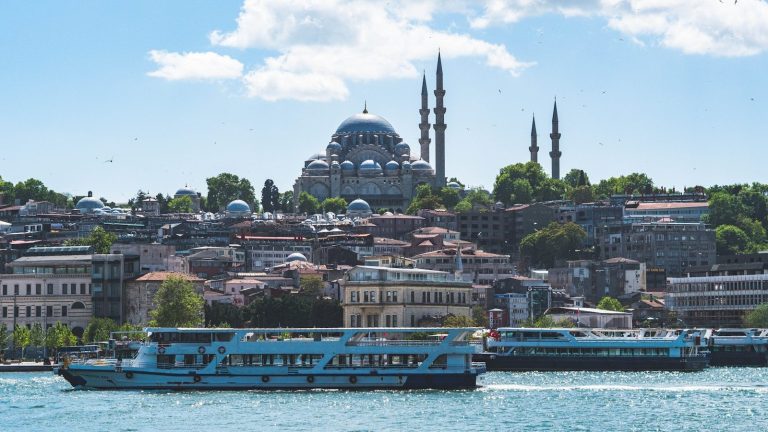
- Istanbul Classic Highlights Visit Hagia Sophia, Blue Mosque, Topkapi Palace, and the Grand Bazaar comfortably without the summer heat. → What to look for: a small-group or private format, timed entry so you skip the queue, and a guide licensed for the historic sites
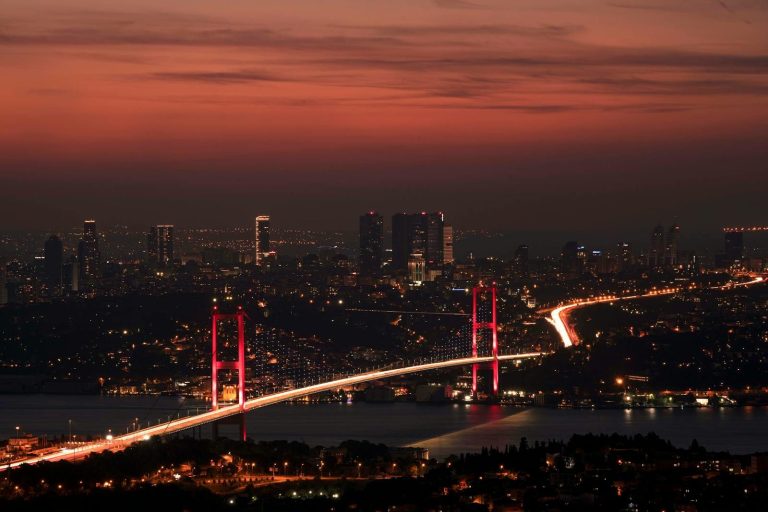
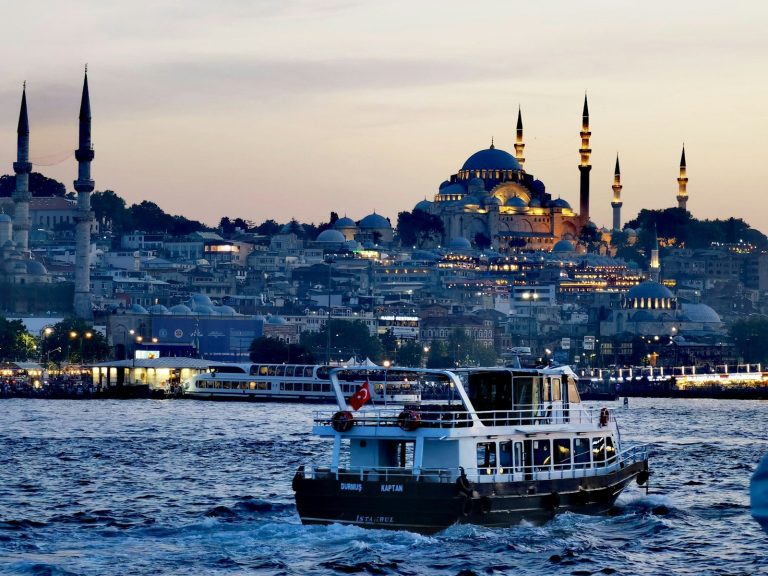
- Bosphorus Strait Dinner Cruise Enjoy a scenic evening cruise with a traditional Turkish dinner and live entertainment. → What to look for: a boat with outdoor deck seating, whether drinks are included, and an evening departure that still shows the skyline
- Ephesus & Pamukkale Day Trip Explore ancient ruins and the famous white thermal terraces in more comfortable temperatures. → What to look for: pickup points on the Aegean coast, how long the full day runs, and whether entry fees are included
Summer (June–August) – Beach & Coastal Focus
Perfect for those who want sun, sea, and relaxed vibes along the Turquoise Coast.
Top Recommendations:
- Antalya Boat Tours & Yacht Cruises Swim in crystal-clear waters and visit hidden coves. → What to look for: a smaller boat rather than a party cruiser, how many swimming stops are included, and whether lunch is served on board
- Paragliding in Ölüdeniz (Fethiye) Experience one of the world’s best paragliding spots with stunning views over the Blue Lagoon. → What to look for: a licensed pilot with a current safety record, morning flights for calmer air, and whether hotel transfer and photos are included
- Side & Manavgat Waterfall Excursion Combine ancient ruins with beautiful waterfalls and rafting options.
Winter (November–March) – Budget & Unique Experiences
Winter offers a quieter, more intimate side of Turkey with lower prices.
Top Recommendations:
- Cappadocia Winter Landscape Tour Snow-covered fairy chimneys create a magical, fairytale atmosphere. → What to look for: a route that stays open after snowfall, cold-weather gear provided, and small group sizes
- Traditional Turkish Hammam Experience in Istanbul Relax in historic bathhouses after exploring museums and palaces. → What to look for: a historic bathhouse, whether the rate covers scrub and massage, and separate or mixed bathing times
- Istanbul Museum & Indoor Tours Focus on world-class museums and covered bazaars when the weather is cooler.
Pro Tip: Prioritise operators that allow cancellation up to 24 hours before departure, so a change of plans or a weather call doesn’t cost you. Many also include skip-the-line entry and an English-speaking guide — worth confirming in the inclusions list before you pay.
Best Experiences by Destination (2026)
| Destination | Must-Do Experience | Best Season | What to Check Before Booking |
|---|---|---|---|
| Cappadocia | Sunrise Hot Air Balloon | Apr–May, Sep–Oct | Licensed operator, morning slots, weather policy |
| Istanbul | Bosphorus Dinner Cruise | All year | Deck seating, drinks included, night transfers |
| Ephesus Area | Full-Day Ephesus + Pamukkale | Apr–Jun, Sep–Oct | Pickup points, total day length, entries included |
| Antalya | Boat Tour with Swimming | Jun–Sep | Boat size, number of swim stops, lunch on board |
| Fethiye | Tandem Paragliding | May–Oct | Pilot licence, flight timing, photo package |
The differences between two apparently similar tours usually come down to group size, what is actually included, and how far in advance you can cancel — compare those three before anything else.
Many experiences also include hotel pickup from central Istanbul, Cappadocia, or Antalya hotels, saving you time and hassle.
Whether you dream of floating above fairy chimneys at sunrise, sailing along the Bosphorus, or relaxing on a Mediterranean beach, every season offers a different version of the same country — the trick is matching the season to the experience.
Practical Travel Tips for Turkey in 2026
Planning a smooth trip to Turkey in 2026 is easier when you know the essentials. Here are the most important practical tips to help you prepare.
1. Visa Requirements
Most international travelers can enter Turkey with an e-Visa.
- Citizens of the US, Canada, Australia, the UK, and many European countries can apply for a 90-day e-Visa online.
- The process is quick and can be completed on your phone.
- Check the official Turkish e-Visa website or your nearest Turkish embassy for the latest requirements, as rules can change.
Tip: Apply for your e-Visa at least 2–3 weeks before departure to avoid any last-minute stress.
2. Getting There & Getting Around
- International Flights: Istanbul has two major airports — Istanbul Airport (IST) and Sabiha Gökçen (SAW). Antalya (AYT) is also well-connected for direct flights to the coast.
- Domestic Travel:
- Domestic flights with Pegasus or SunExpress are affordable and fast.
- High-speed trains (YHT) connect Istanbul to Ankara and Konya.
- Buses (via companies like Kamil Koç or Pamukkale Turizm) are comfortable for longer distances.
- Within Cities:
- Use the Istanbul Card for metros, trams, ferries, and buses in Istanbul.
- In Cappadocia and Antalya, taxis and ride-sharing apps (BiTaksi) are convenient, but always confirm the price beforehand.
3. Money, Currency & Payments
- Currency: Turkish Lira (TRY).
- ATMs are widely available, but expect some fees. Using a card with no foreign transaction fees is recommended.
- Credit cards are accepted in most hotels, restaurants, and shops in tourist areas. Carry some cash for small purchases, markets, and tips.
- Tipping: 10% is standard in restaurants. Round up taxi fares and give small tips to tour guides and hotel staff.
4. Safety & Health
- Turkey is generally safe for tourists, especially in popular areas like Istanbul, Cappadocia, and Antalya.
- Petty theft can occur in crowded tourist spots — keep valuables secure and be aware of your surroundings.
- Drink bottled water and avoid tap water.
- Travel insurance that covers medical emergencies and trip cancellation is highly recommended.
- Check the latest travel advisories from your government before traveling.
5. Cultural Etiquette & Dress Code
- Turkey is a secular country with a strong Muslim culture. Dress modestly when visiting mosques (cover shoulders and knees; women should bring a headscarf).
- Remove shoes before entering mosques and some traditional homes.
- Always ask permission before photographing people, especially in rural areas.
- Public displays of affection are generally kept to a minimum in conservative areas.
6. Packing List by Season
- Spring & Fall (Shoulder Season): Light layers, comfortable walking shoes, light jacket, raincoat, sunglasses.
- Summer: Lightweight clothing, swimwear, hat, sunscreen (high SPF), comfortable shoes for hot pavement.
- Winter: Warm coat, scarf, gloves, waterproof shoes, layers for cold nights in Cappadocia.
Essentials for All Seasons:
- Comfortable walking shoes (you’ll do a lot of walking)
- Power bank and universal adapter (Type C & F plugs)
- Reusable water bottle
- Copies of the passport and e-Visa
7. Sustainability & Responsible Travel
- Use reusable water bottles and avoid single-use plastics.
- Support local businesses and guides.
- Respect archaeological sites — never climb on ruins or take souvenirs from ancient locations.
- Choose tour operators that follow ethical practices — look for eco-friendly, low-impact options and smaller group sizes.
8. Best Time-Saving Tips
- Reserve the headline experiences well ahead — a Cappadocia balloon flight and timed entry at the major Istanbul sites sell out first in peak season.
- Consider purchasing a Museum Pass if you plan to visit multiple museums and archaeological sites.
- Download offline maps (Google Maps or Maps.me) and translation apps (Google Translate works well with Turkish).
By following these practical tips, your 2026 trip to Turkey will be smoother, safer, and more enjoyable.
Conclusion
Turkey in 2026 offers an incredible mix of rich history, stunning natural landscapes, warm hospitality, and world-class experiences — from floating above the fairy chimneys of Cappadocia in a hot air balloon to wandering through the ancient streets of Istanbul or relaxing on the turquoise beaches of Antalya.
After reviewing weather patterns, crowd levels, and pricing across the year, one thing is clear: the shoulder seasons of April–May and September–October stand out as the best time to visit Turkey in 2026 for the majority of international travelers. These months deliver comfortable temperatures, manageable crowds, reliable conditions for iconic activities like hot air balloon rides, and significantly better value compared to the peak summer months.
Whether you’re planning a cultural journey through Istanbul and Ephesus, chasing unforgettable sunrise balloon flights in Cappadocia, or combining city exploration with beach time on the Mediterranean coast, 2026 is shaping up to be an excellent year to visit. Improved infrastructure, a vibrant calendar of events, and strong tourism recovery all contribute to a smoother and more rewarding travel experience.
The key to making the most of your trip lies in choosing the right season based on your priorities:
- Choose the shoulder season for the best overall balance.
- Go in summer if beach holidays are your main goal.
- Opt for the low season if you’re traveling on a tighter budget or seeking a quieter, more intimate experience.
Ready to start planning your dream trip to Turkey?
Whichever season you settle on, lock in the experiences that matter most as soon as your dates are fixed. In peak season the balloon flights, timed museum entries and evening cruises are the first to go, and early booking is also what gets you the smaller groups.
The four to sort out first for 2026: a sunrise balloon flight over Cappadocia when the season allows it, timed entry to Istanbul’s headline sites, an evening cruise on the Bosphorus, and a full day out to Ephesus. Those are the ones that fill up first in high season — everything else in Turkey can usually be arranged closer to your dates.
Whichever season you choose, Turkey has a version of itself waiting for you. Safe travels — and we hope this guide helps you plan the trip that actually fits your dates.
FAQ.
Packing for your Turkey trip? — seasonal clothing tables, mosque etiquette, scam alerts, and a printable checklist all in one place.